3D Large-Format Laser Marking Machine
Most large-format marking isn't really large-format — it's several small marks stitched together. Line up the rail, mark, shift the part, line up again — and pray the seams don't show. This machine covers 1200 × 1200 mm in a single pass, no overhead beam, nothing to stitch. And because the galvo is 3D, curves, slopes and relief all happen inside that same field — not just flat marks.
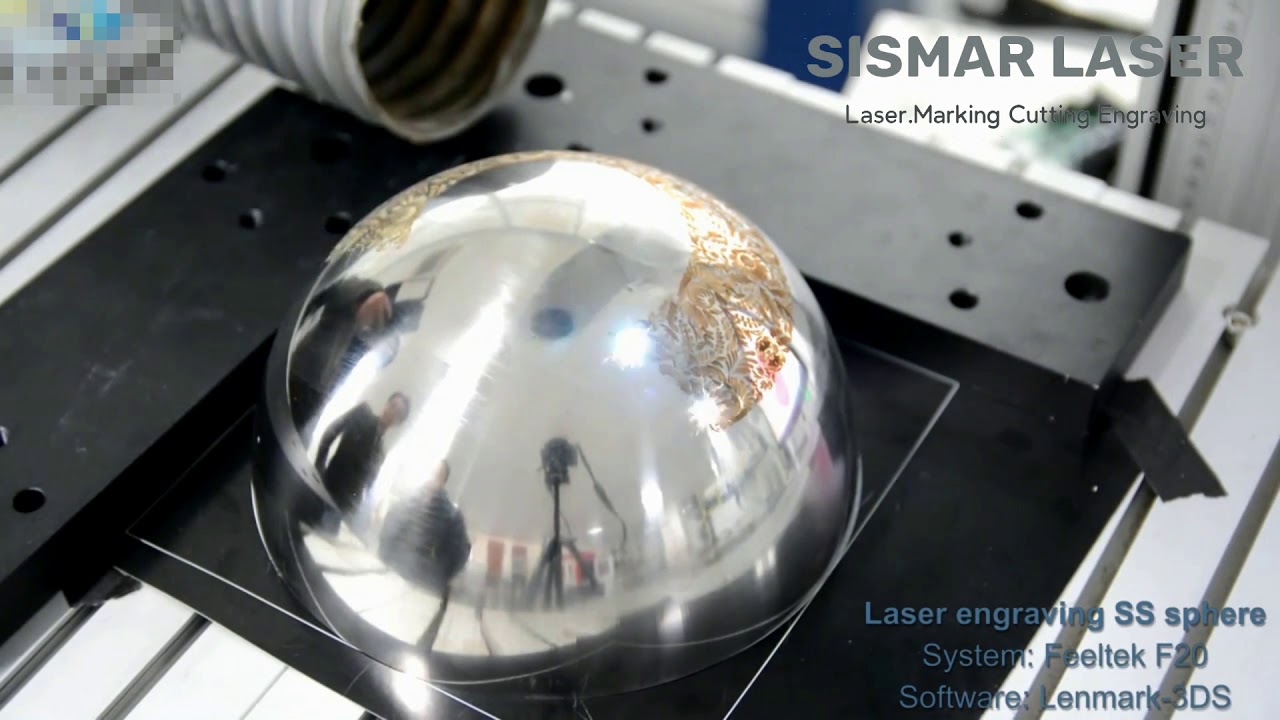
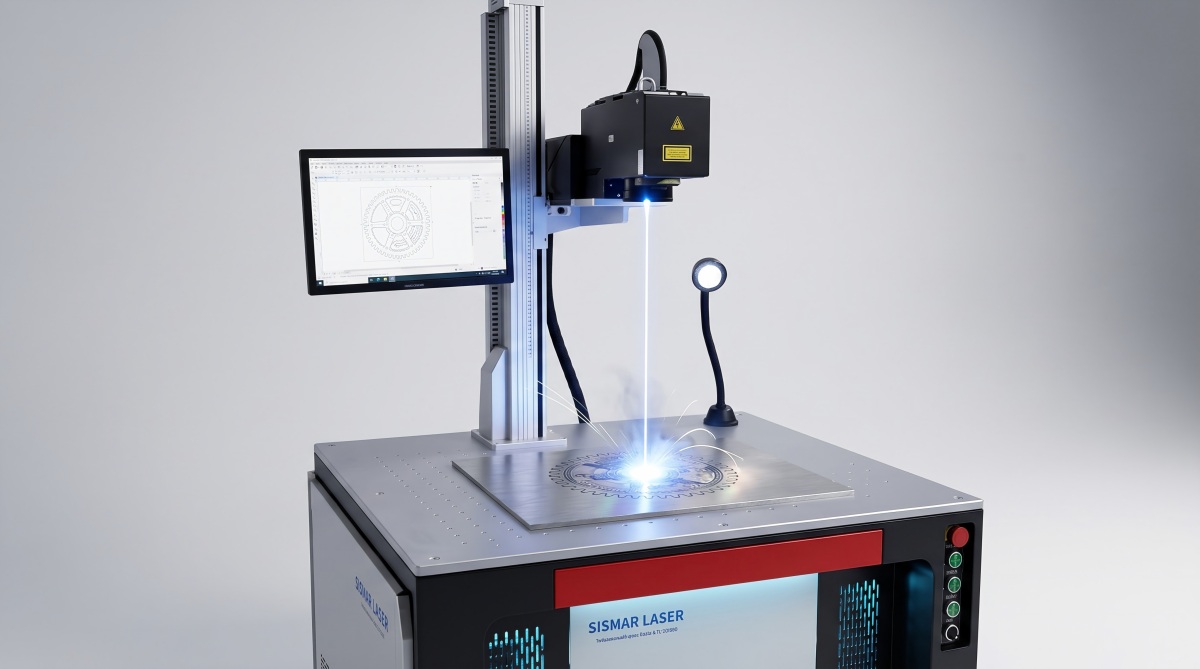 Watch it mark
What Fits in a 1200 × 1200 mm Field?
Parts too big to fit a normal marker in one go — plus curves and relief inside that same field. If yours isn't here, send the drawing — we'll tell you straight whether it suits.
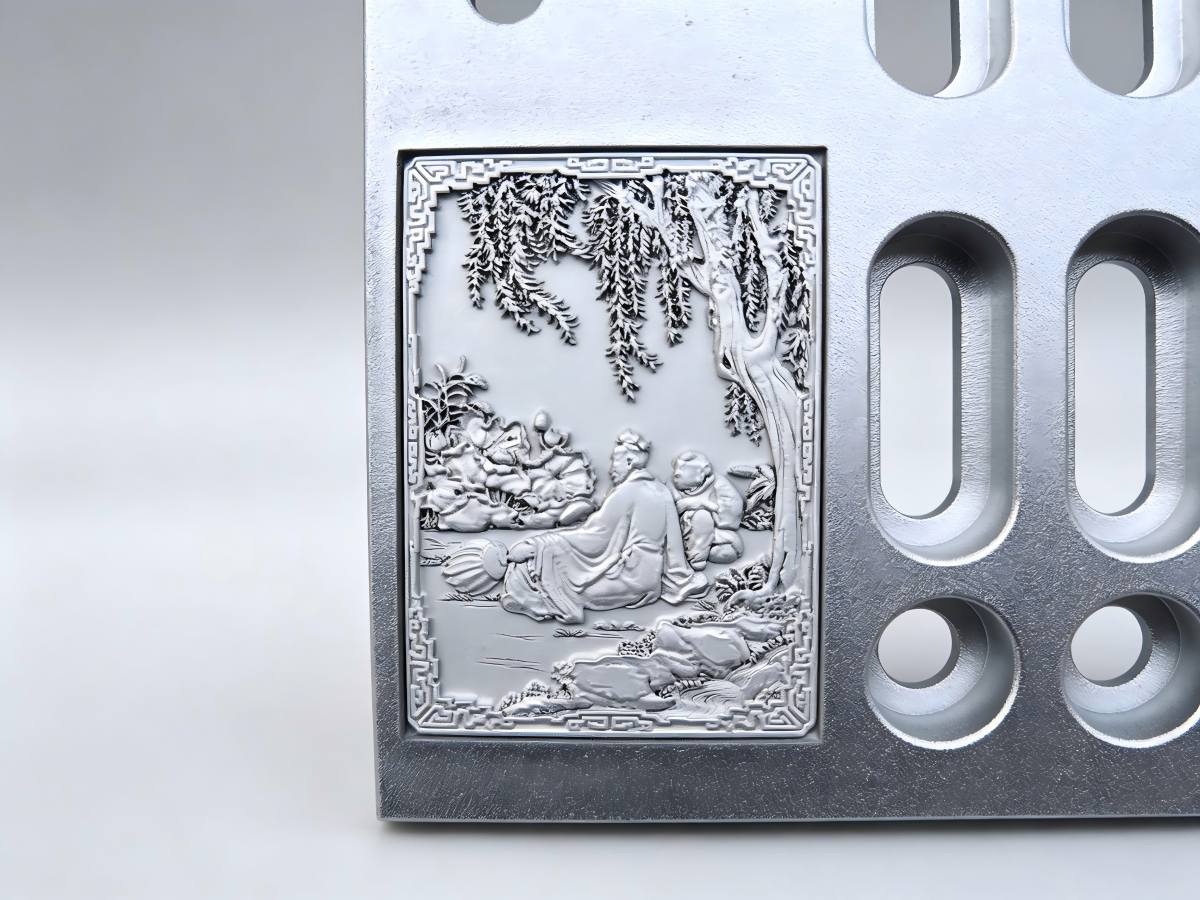
Relief & Deep Engraving
Relief on molds, art panels, big decorative pieces — sizes a normal marker just gives up on.
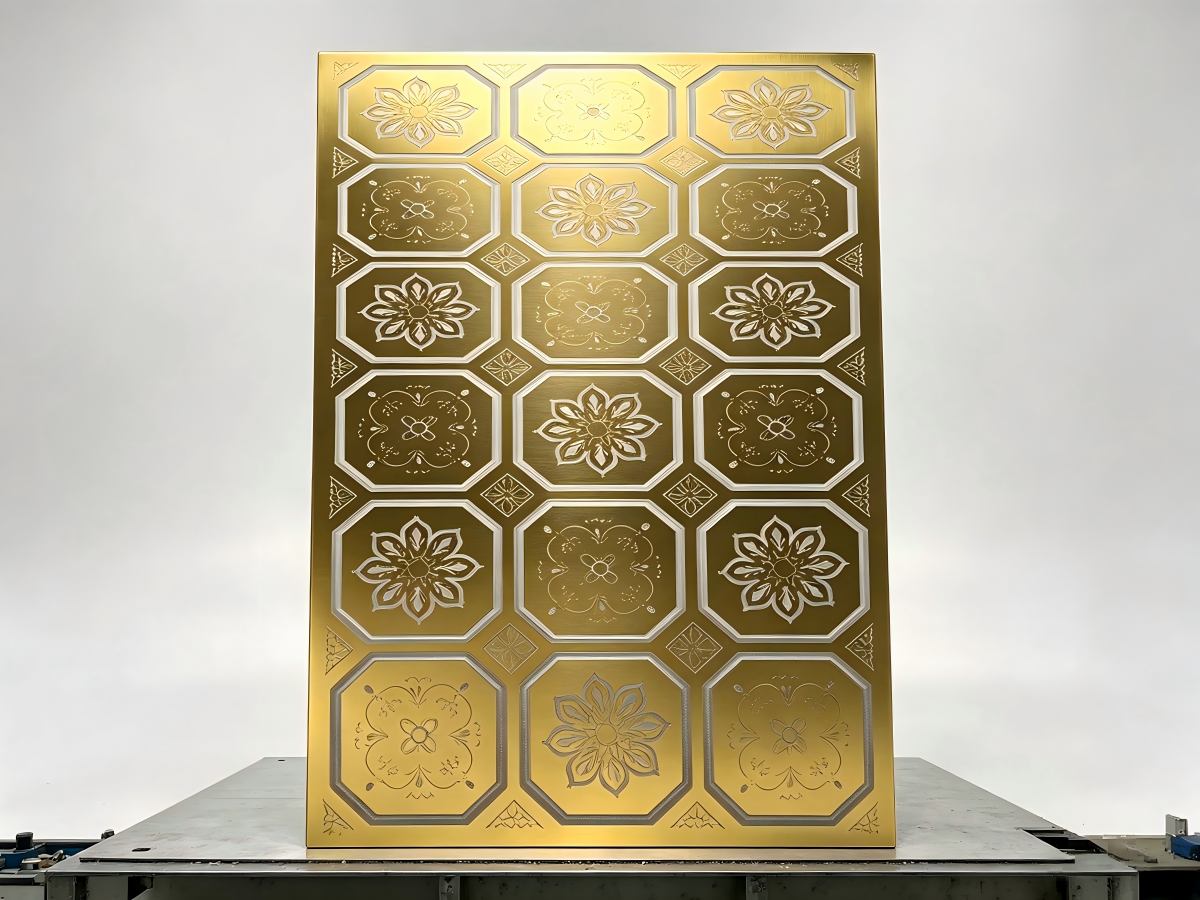
Oversized Panels & Signage
Big sheets, industrial parts — one setup, no shifting mid-run.
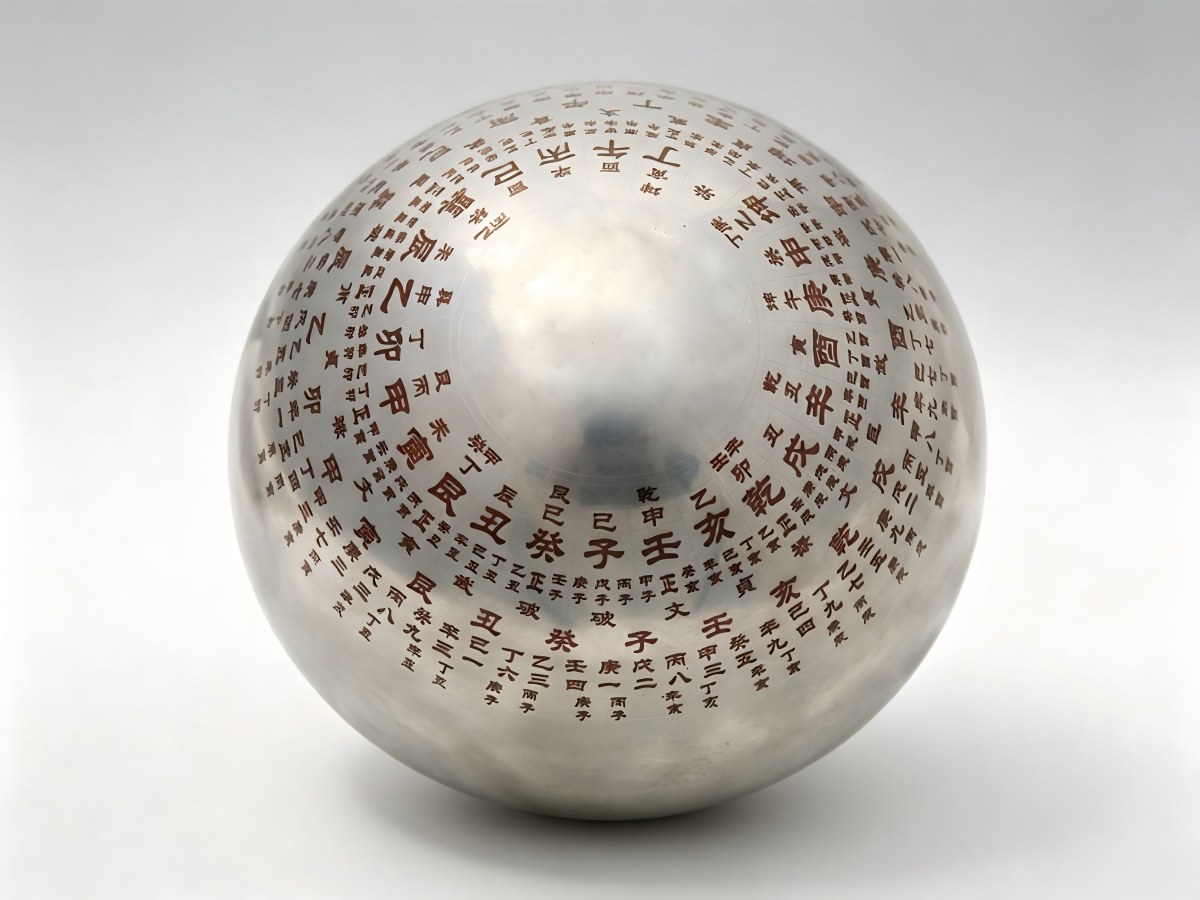
Curved Components
Dashboards, housings, curved pipe — the focus follows the surface.
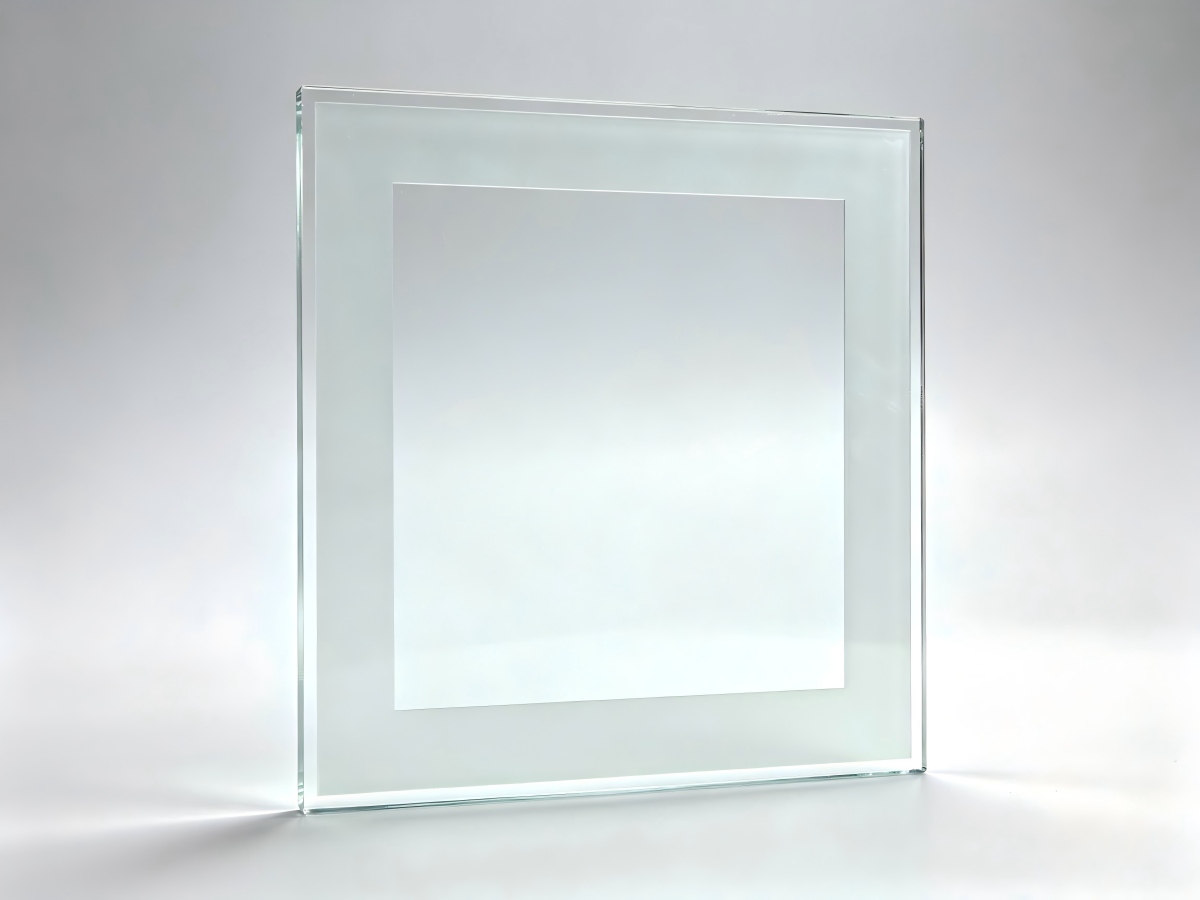
Architectural Glass
Decorative panels and facades — a seam here is visible from across the room.
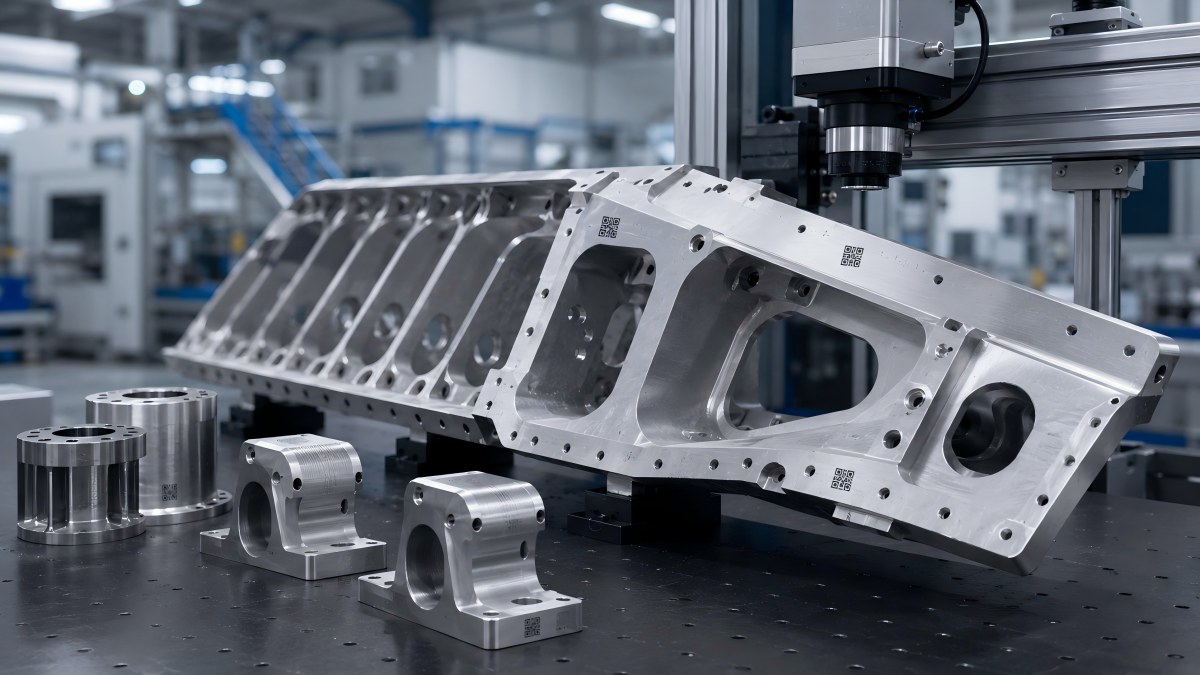
Aerospace & Industrial
Big structural parts where the mark has to be traceable and land in the same place every time.
Why Beam-Free Matters
Conventional large-format systems put the marking head on a moving rail. That rail is where the problems start.
Fiber, UV or CO₂?
The material decides this, not the budget. Tell us what you're marking and we'll pair the source to it before we recommend a configuration.
Fiber
- Steel, stainless, aluminum, brass
- Deep engraving and relief
- Coated and anodized metal
UV
- Plastics that discolour under heat
- Glass and delicate surfaces
- Electronic and precision components
- Fine detail where fiber goes too aggressive
CO₂
- Acrylic, wood, leather, paper
- Glass and ceramics — the workhorse choice, not UV
- Large decorative panels
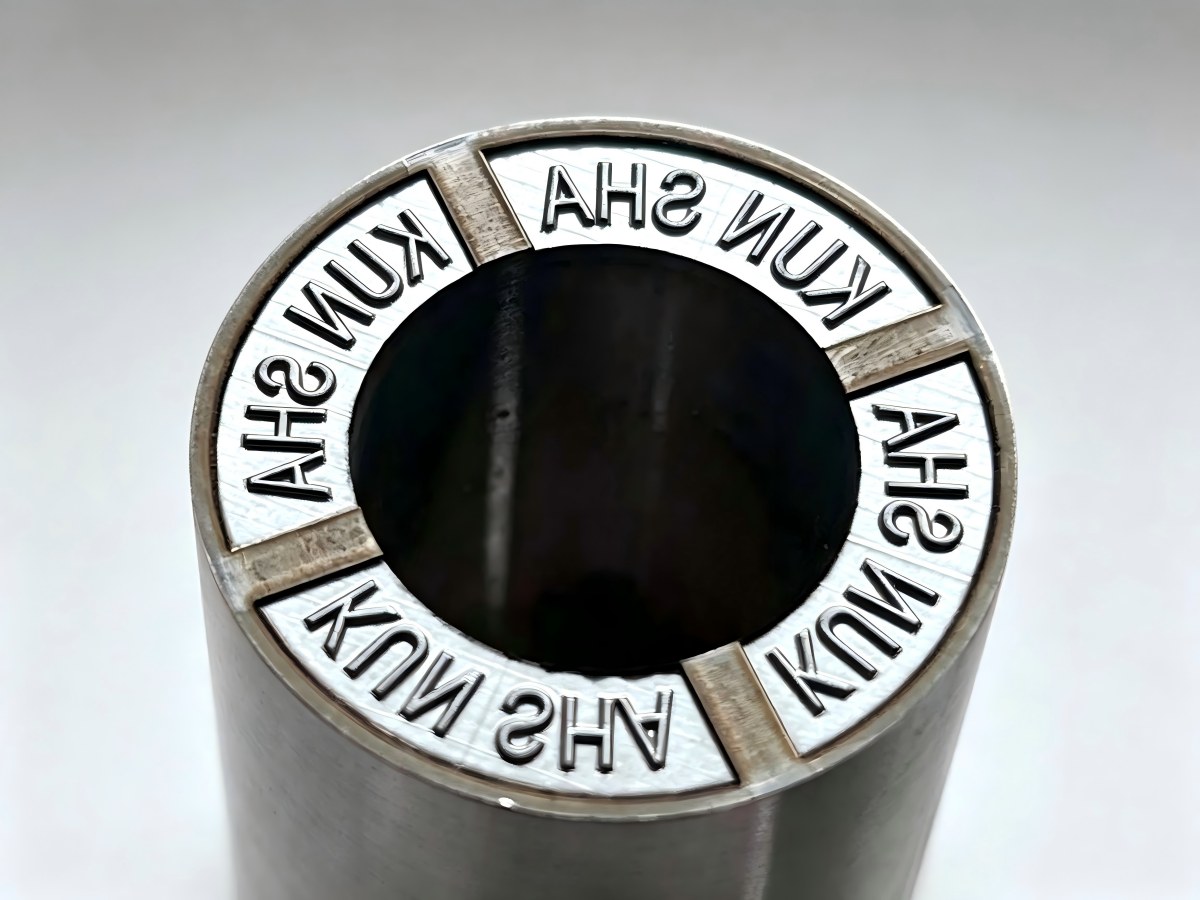
Field Size Is Only One Part of the Result
A large working field gets your part under the beam. What comes out depends on four other things — which is why we'd rather run your actual file than quote from a spec sheet.
A weak STL or grayscale file caps the detail before the laser starts. Most disappointing results trace back here.
Fiber, UV and CO₂ each behave differently on the same part. Mismatch the two and nothing else helps.
The larger the field, the coarser the spot. Fine detail may want a smaller lens even on a big machine.
Every extra tenth of a millimetre is another set of passes.
Works well on:
Watch the Machine Work
For large-format work, the finished panel and the cycle time tell you more than a field-size number on a spec sheet.


Large-Format 3D Series
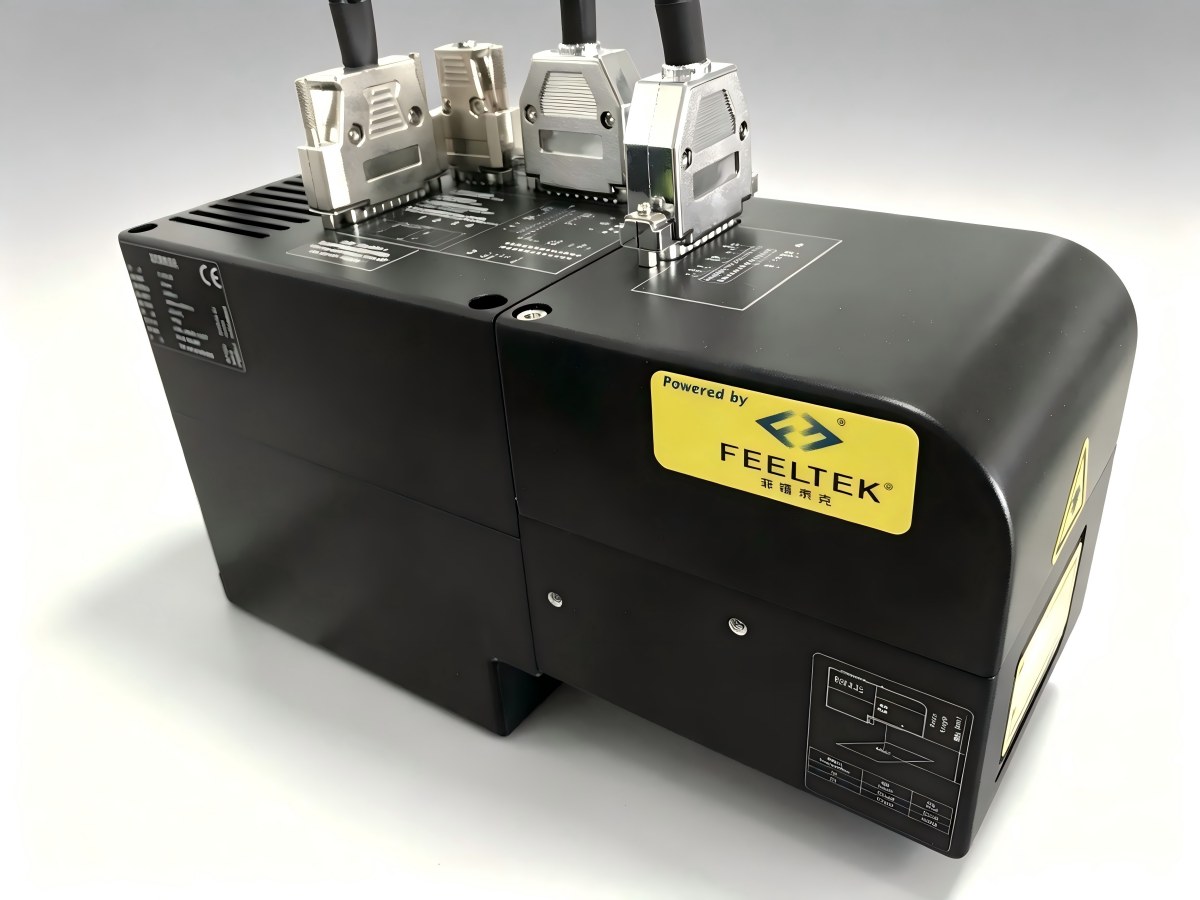
Beam-free structure — nothing overhead to align.
| Maximum working area | Up to 1200 × 1200 mm |
| Focus system | Feeltek F10 / F20 3D dynamic focus |
| Laser sources | Fiber, UV or CO₂ — matched to your material |
| Marking speed | Up to 7,000 mm/s |
| Power supply | AC 220V, single phase |
| Supported files | DXF / AI / PLT and common vector formats |
| Structure | Beam-free integrated design |
| Supported processes | 3D relief engraving, curved-surface marking, large-area flat marking |
| Cooling | Air- or water-cooled, matched to the configuration |
| Control | Dedicated 3D control system with automation integration options |
Let Us Check Your Part First
On a machine this size, the wrong field or the wrong source is an expensive mistake. A test settles it.
Send us the job, not just the machine model.
Before we recommend a field size or a laser source, we normally ask to see the part and the marking file. Material, size and required depth change the answer completely.
Send Us
- Material
- Part size
- Photo or drawing
- Marking or relief file
- Required depth
- Quantity you plan to run
We Will Check
- Whether you need the full 1200 × 1200 mm
- Fiber, UV or CO₂ for your material
- The result to expect
- Approximate cycle time (after testing)
Can it really mark 1200 × 1200 mm without stitching?
Yes — that's the point of the beam-free design. The full field is covered in one operation, so there are no section joins to line up and no seam to hide.
Do I need the full 1200 × 1200 mm, or is a smaller field enough?
If the parts fit inside a smaller field, a smaller system does the job for considerably less. This machine earns its price on genuinely oversized parts, or deep relief where focus range is the limit.
Which laser source should I choose?
Metal is fiber. Heat-sensitive plastics and glass lean UV. Acrylic, wood and other organics are CO₂. If your work is mixed, tell us the split and we'll advise before you commit.
Can it engrave curved and stepped parts?
Yes, within the dynamic focus range. Send a drawing showing the height difference and we'll confirm it with our engineer before you order.
How much maintenance does it need?
Less than a rail-based system — there's no gantry to keep aligned and fewer moving parts to wear. The trade-off is that galvo replacement, if it ever comes to that, costs more.
Can I test my own part first?
Yes. Send the material, file and part size — we run the test, film the result, and send you the video with cycle time.
Not Sure Which Field Size to Buy?
One message and we'll work it out with you.