
600×600mm Fiber Laser Cutting Machine for Small Metal Parts
Need more room than a 300×300mm table, but not ready for a full-size sheet metal cutter? The 600×600mm sits right in between — enough space to cut bigger parts, or lay out more small ones in one run.
It's fully enclosed and CE-certified, which keeps it practical for an indoor workshop and ready for export.
Send us your drawing and material thickness. We'll test cut it first, so you see the result before you order.
- 600×600mm tablemore room for bigger parts and batches
- 1500W / 2000W / 3000Wpower options
- European CE cabinetfully enclosed protective cover
- ±0.03 / ±0.02mmpositioning / repeat positioning
- 5 metals + free samplestainless, carbon steel, brass, aluminum, copper
Is This the Right Machine for You?
If the 300×300mm model feels too small for your parts or your batch sizes, this is usually the right step up — more room to place parts in one job, without jumping to a large sheet cutter. Here's how to tell if it fits.
Likely a good fit if you're making
- Jewelry parts, pendants, charms and small metal designs
- Metal tags, ID plates and machine labels in larger batches
- Washers, brackets and small precision hardware
- Thin metal housings and electronic components
- Samples or small-batch runs before scaling up production
- Jobs that are too large, or too many at once, for a 300×300mm table
Probably not the right machine if
- You mainly cut large sheet metal — even 600×600mm will be too small
- Thick steel plate is your primary job — this machine is built for finer, smaller work
- Your parts are regularly larger than 600×600mm
- You only need marking — logos, serial numbers or QR codes — not cutting
If marking is really what you need, we won't push a cutting machine on you — a fiber laser marking machine is usually the more practical choice. Send us your material and a sample photo, and we'll point you to the right one.
600×600mm or 300×300mm — Which Size Fits Your Work?
Both models can share the same core cutting setup. The real difference is the working area — here's how to tell which one matches your parts and batch sizes.
| 300×300mm | 600×600mm | |
|---|---|---|
| Working area | 300 × 300 mm | 600 × 600 mm — 4× larger cutting area |
| Best for | Small single parts, jewelry pieces, tags and samples | Larger samples, more small parts per run, small-batch production |
| Batch work | Fewer parts per load | More parts per load, fewer repositions |
| Enclosure | CE-compliant enclosed cabinet | CE-compliant enclosed cabinet |
| Footprint | Smallest, easiest to place | Still compact, but needs more workshop space |
| When to choose | Your parts are small and workshop space is tight | You often find 300×300mm too tight, or want more room to place parts |
If your parts fit inside 300×300mm and you don't need to cut many at once, the 300×300mm model is usually the more economical choice. But if you regularly cut larger samples, lay out several parts per job, or run small batches, the 600×600mm is worth the extra cost.
See It Cut Before You Decide
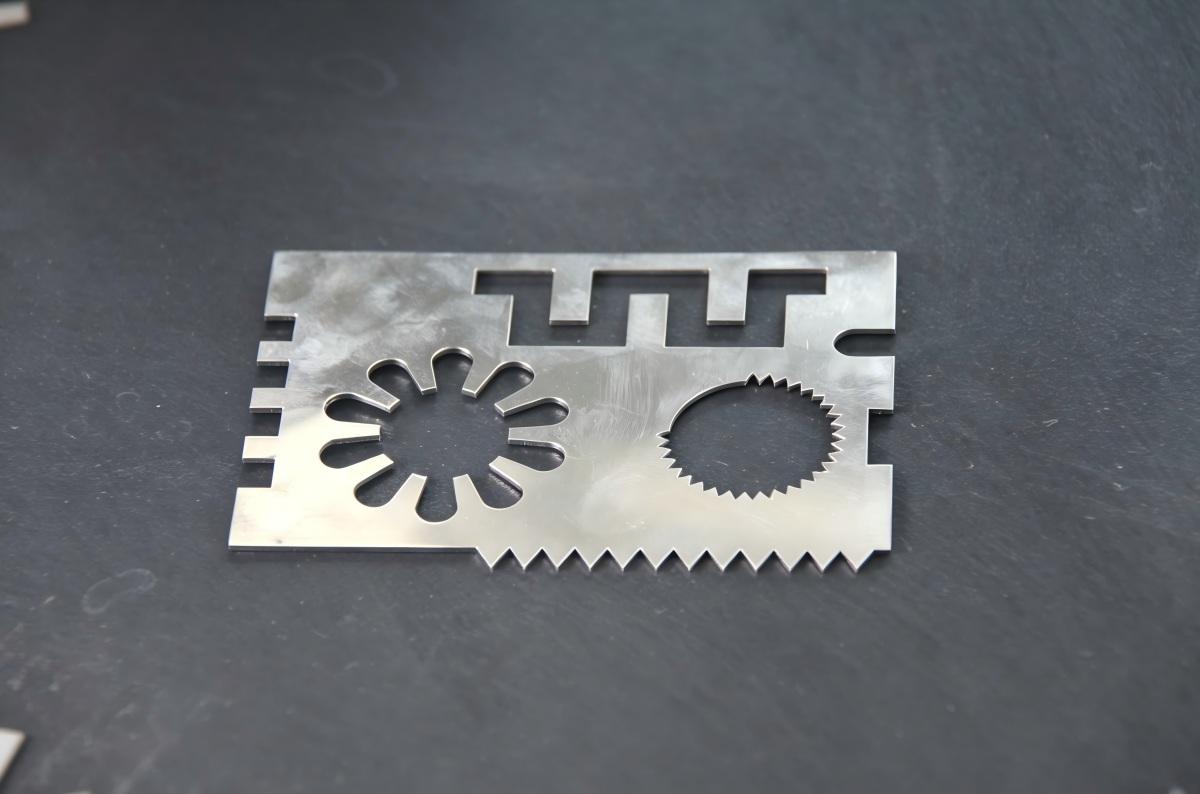
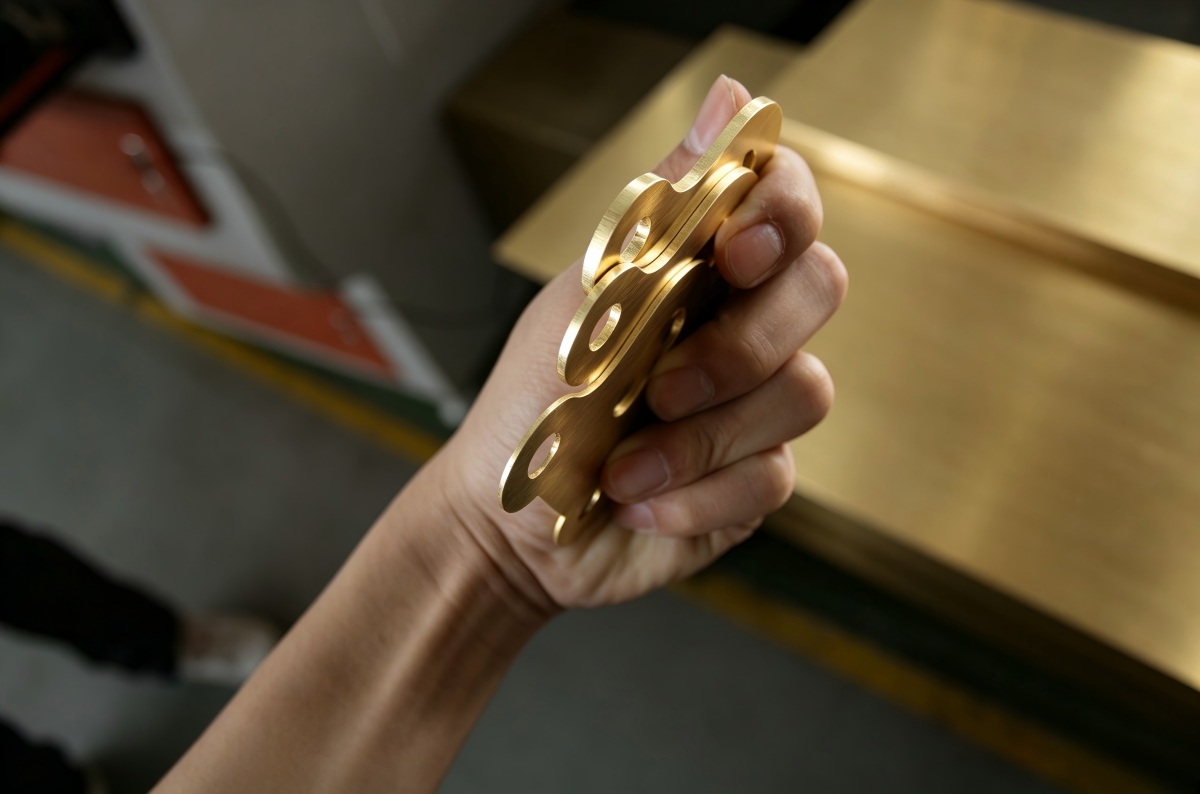
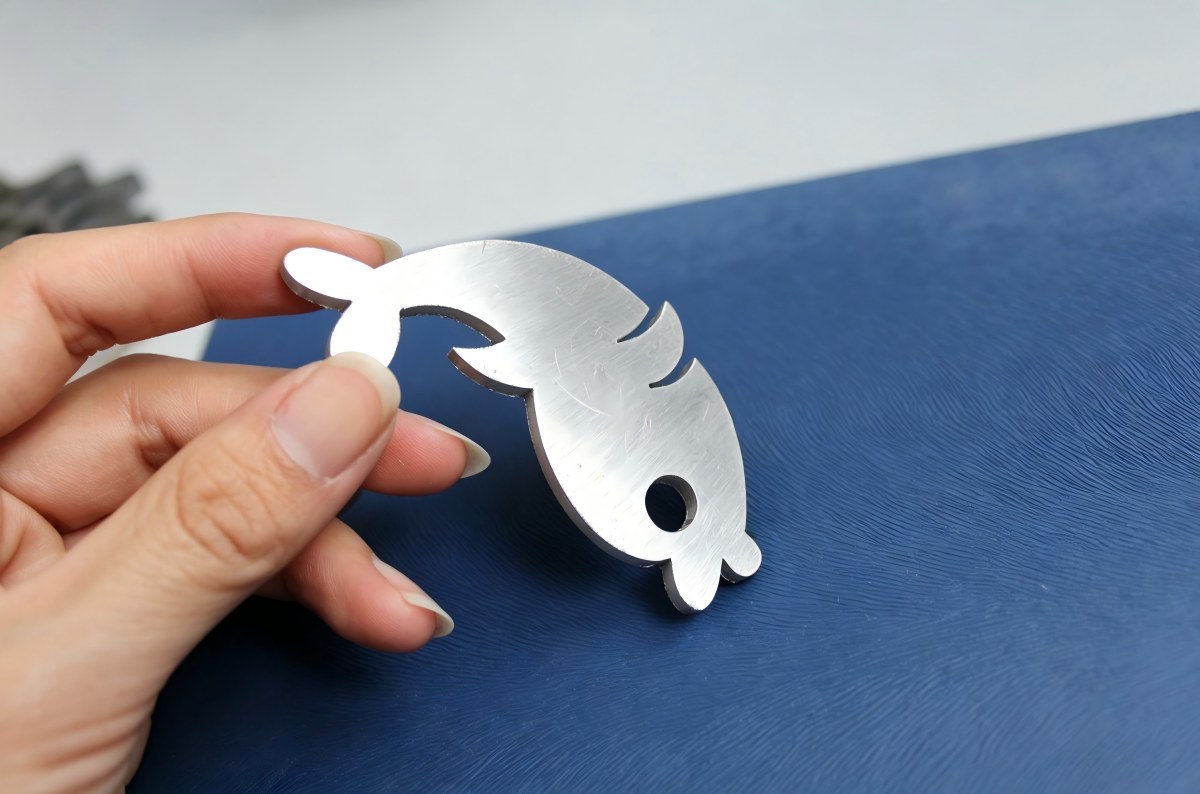
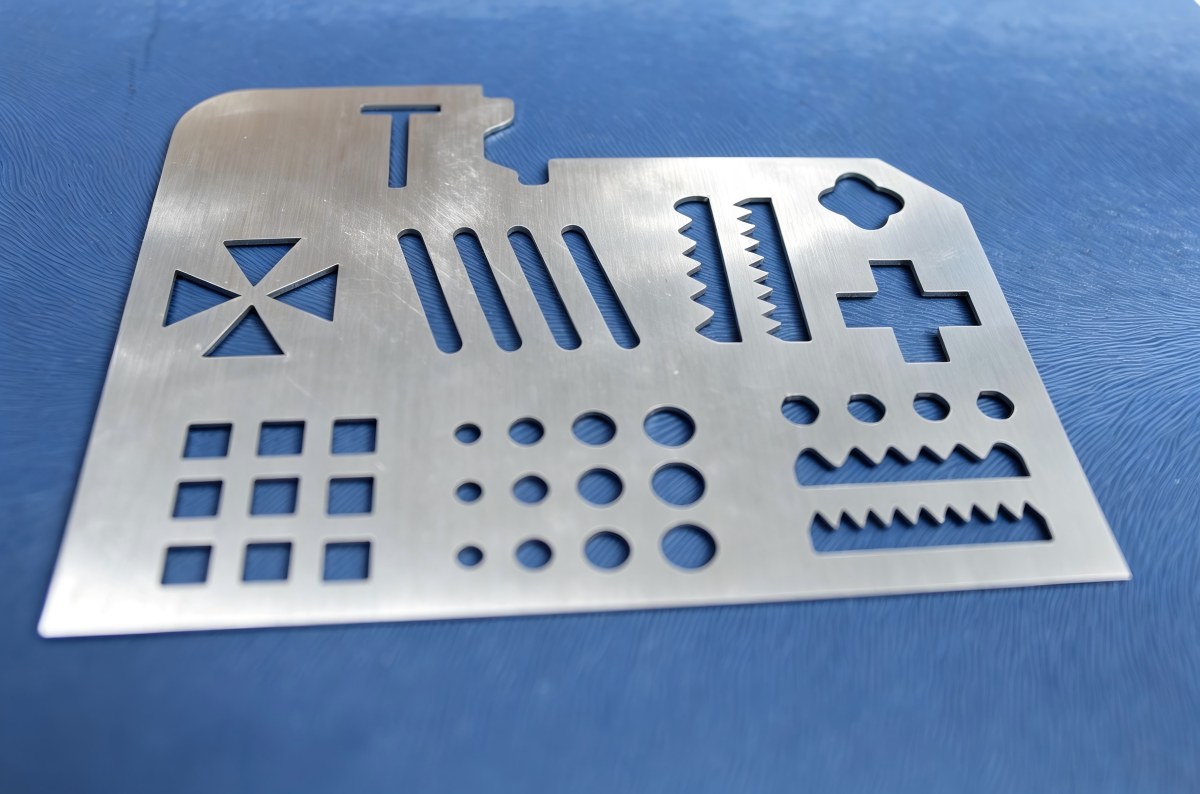
Specs can only tell you so much. With small metal parts, what really matters is how the finished piece looks once it's cut. Take a look at the samples below — and if you don't see your material, send us your drawing and thickness, and we'll cut it for you before you order.
Cutting Samples
Cutting Videos
Match Your Job to the Right Setup
Different shops use this machine for different jobs, and the right power comes down to your material, thickness, detail and how many parts you run a day.
Jewelry & Precious Metal
Pendants, charms, small custom pieces in gold, silver or brass. This is fine, detailed work — we usually suggest a sample cut first, especially on precious metal you don't want to waste.
Precision Hardware & Tags
Washers, brackets, ID plates, machine labels. When you're cutting the same stainless or carbon steel part over and over, a clean edge every time is what counts.
Electronics & Small Components
Thin aluminum and copper housings and parts. A clean cut here means less filing and rework once the part moves down the line.
Gifts, Crafts & Custom Designs
Decorative panels, signage, one-off pieces. When designs change often and you need more table room than a 300×300mm bed gives you, this size keeps up without a long setup each time.
Which power should you choose?
A quick guide to start with — the final call is easiest to make from a sample cut.
Our lightest option, and enough for most thin-metal work. Fine for jewelry pieces, tags, and thin stainless, brass or aluminum when speed isn't your main concern.
The one most batch shops end up choosing. Noticeably faster than 1500W on the same parts, which adds up once you're cutting in quantity.
For thicker parts, faster daily production, or reflective metals like brass, copper, gold and silver. The extra power gives more cutting margin, especially when the material or design is more demanding.
Not sure which to pick?
If you mostly cut thin metal and want to keep the budget down, 1500W will do the job. Planning to run daily production? 2000W is the safer middle ground. And if brass, copper, silver, gold or thicker parts are part of your work — or you just want room to grow — 3000W is the one that won't hold you back later.
Or skip the guessing: send us your material, thickness and drawing, and we'll test cut it and tell you which power fits.
What's Inside the Machine
On parts this small, machine quality shows up fast — one edge slightly off and the piece is scrap. So the power rating isn't the whole story; here's what's inside that keeps the cut clean.
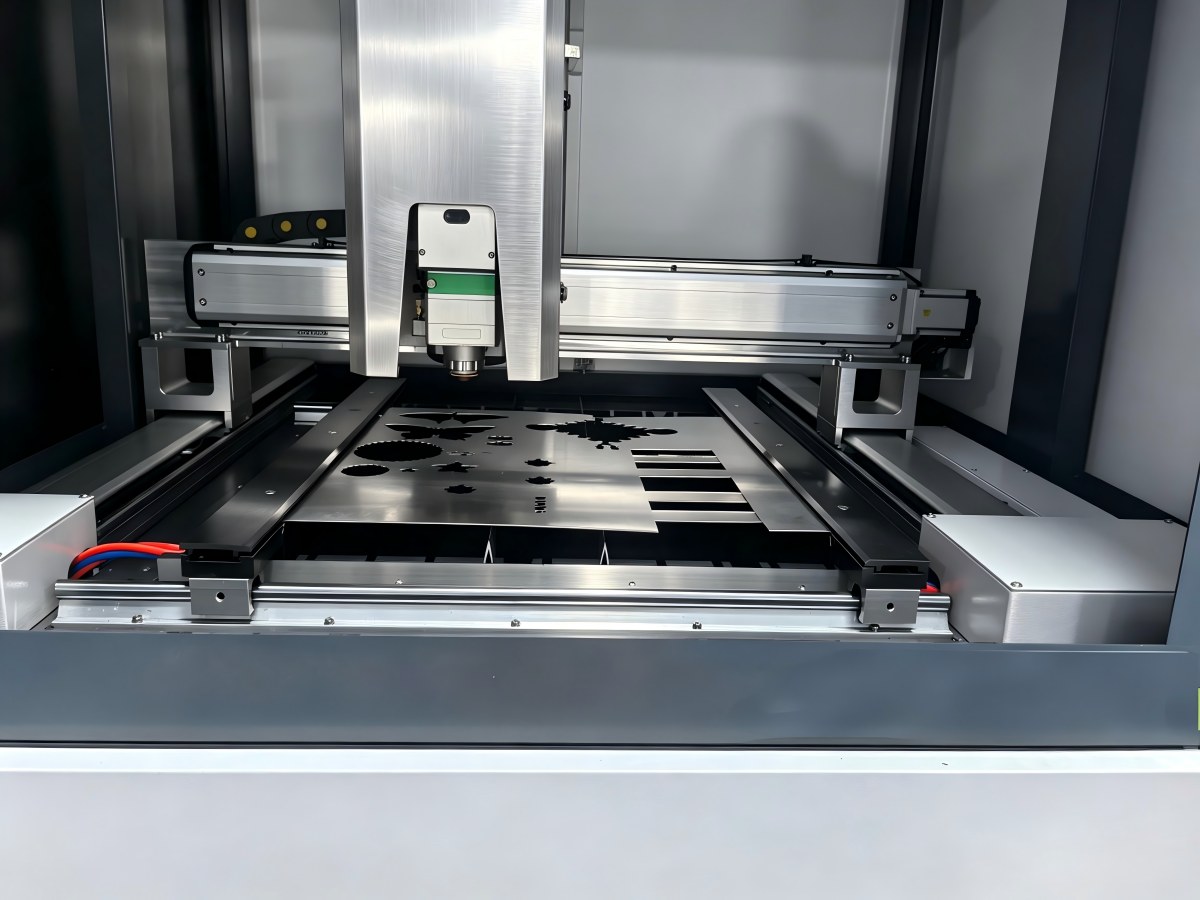
Raytools cutting head
A stable cutting head helps keep cutting smooth, especially on small holes, sharp corners and thin sheets — where a small part shows every flaw.
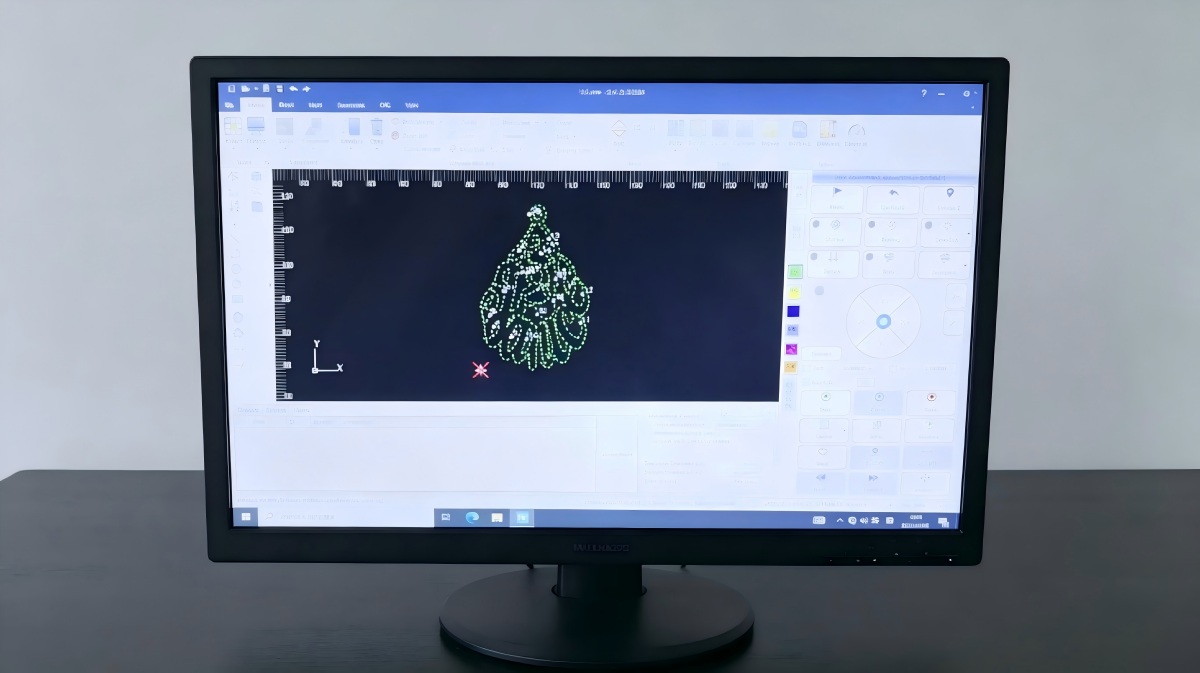
Raytools XC3000 control
Loads your DXF, AI or PLT file and saves the settings with it. When the same job comes back, the operator isn't starting over.
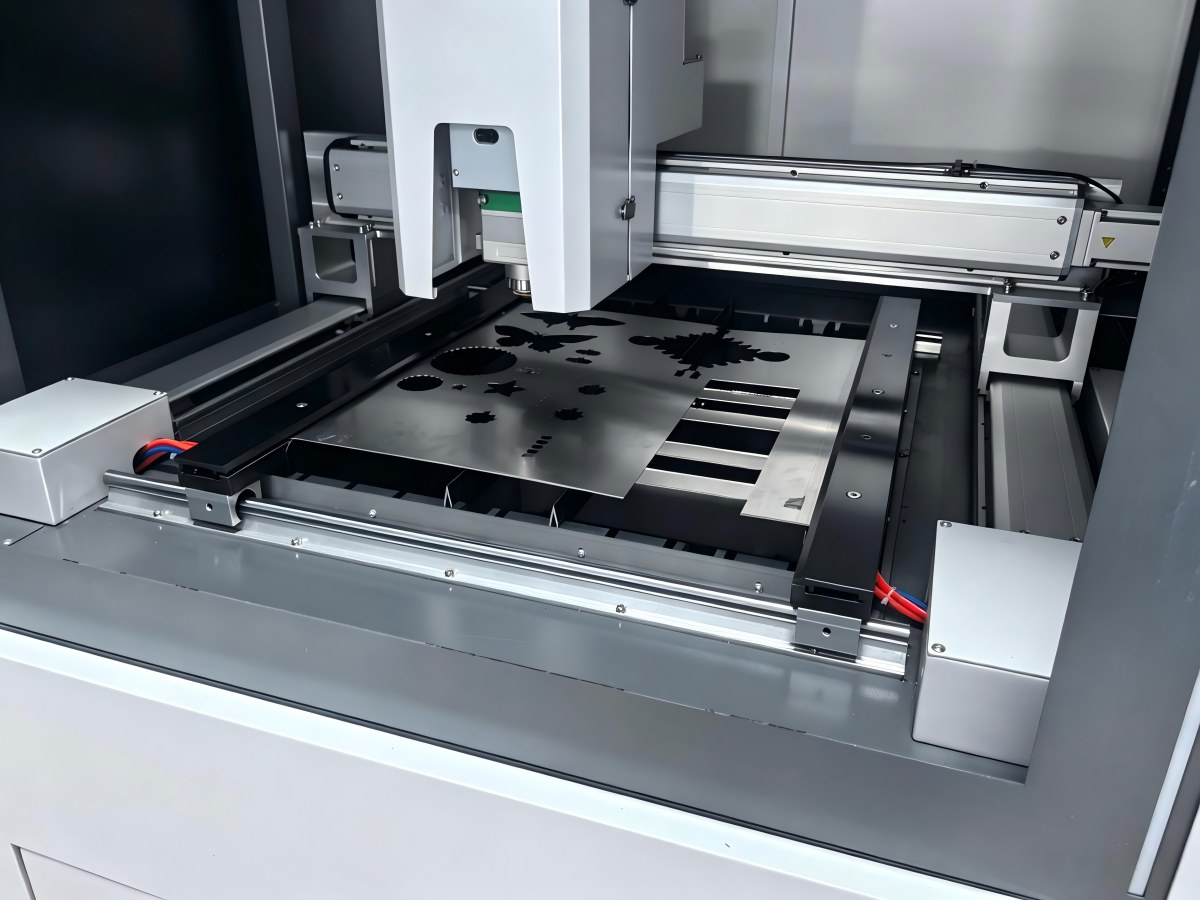
High-precision motion system
Fine contours and small holes leave no room for a wandering axis — if the movement isn't tight, you see it in the part. Built for accurate, repeatable small-part work.
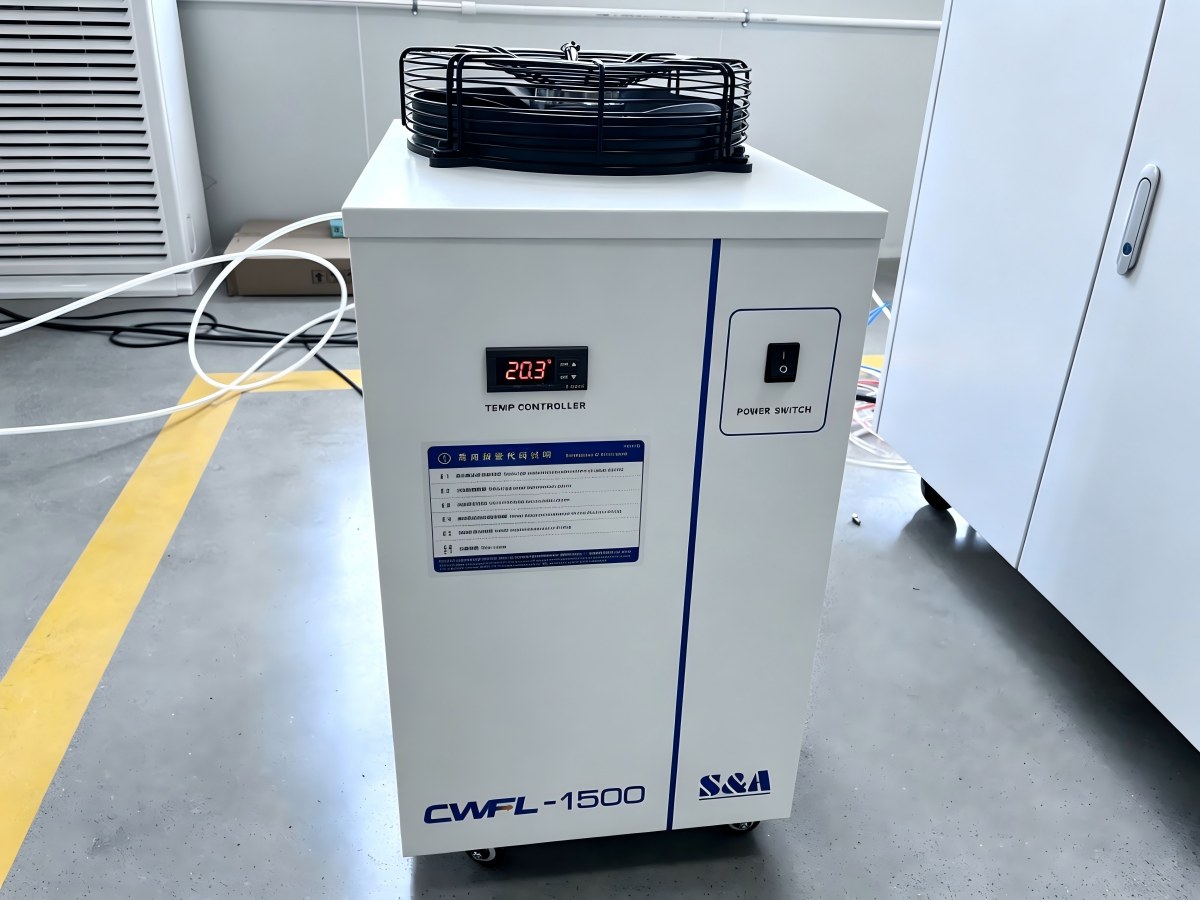
Industrial water chiller
Keeps the laser source at a steady working temperature through longer jobs, which helps the machine run more steadily during batch production.
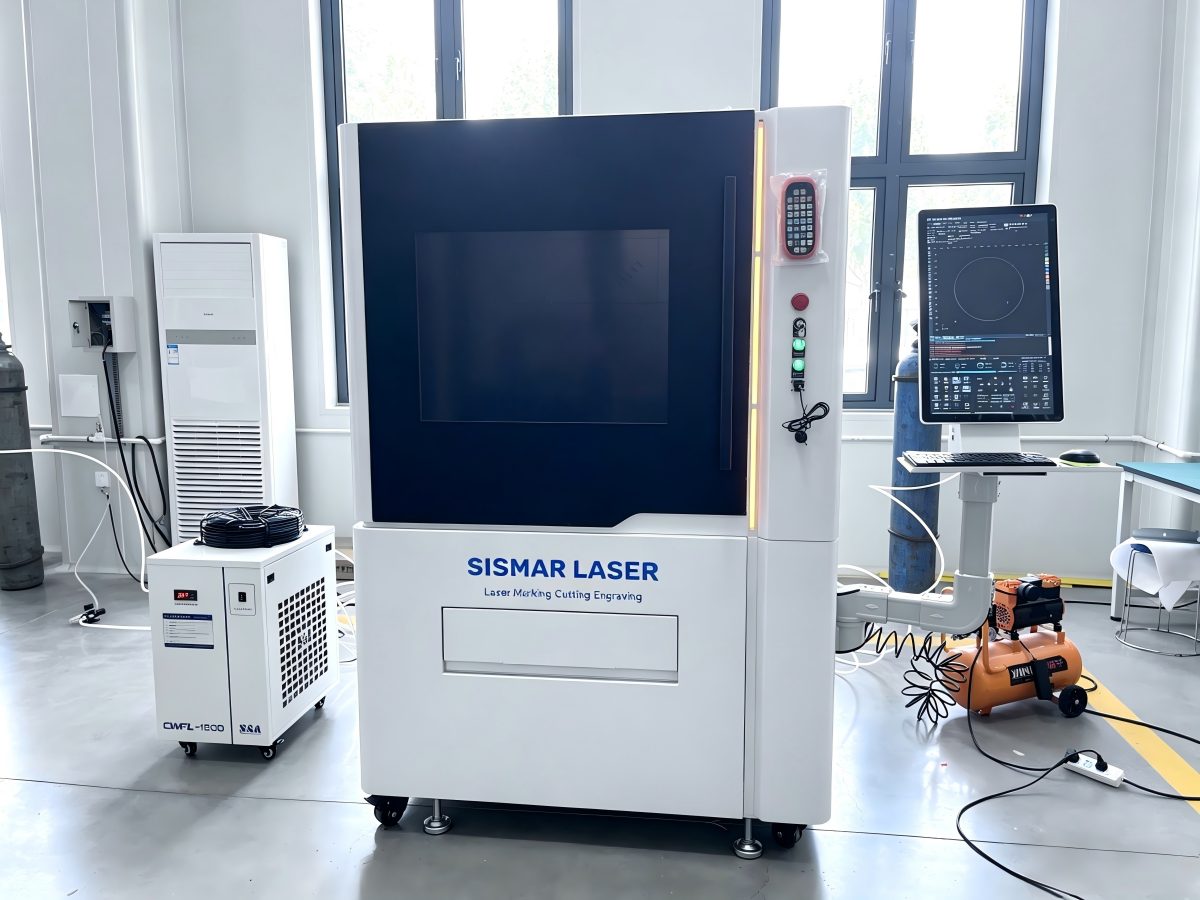
CE-compliant enclosed cabinet
A fully enclosed, CE-compliant body helps contain sparks, smoke and dust, and meets European safety standards — useful if you're exporting or working indoors.
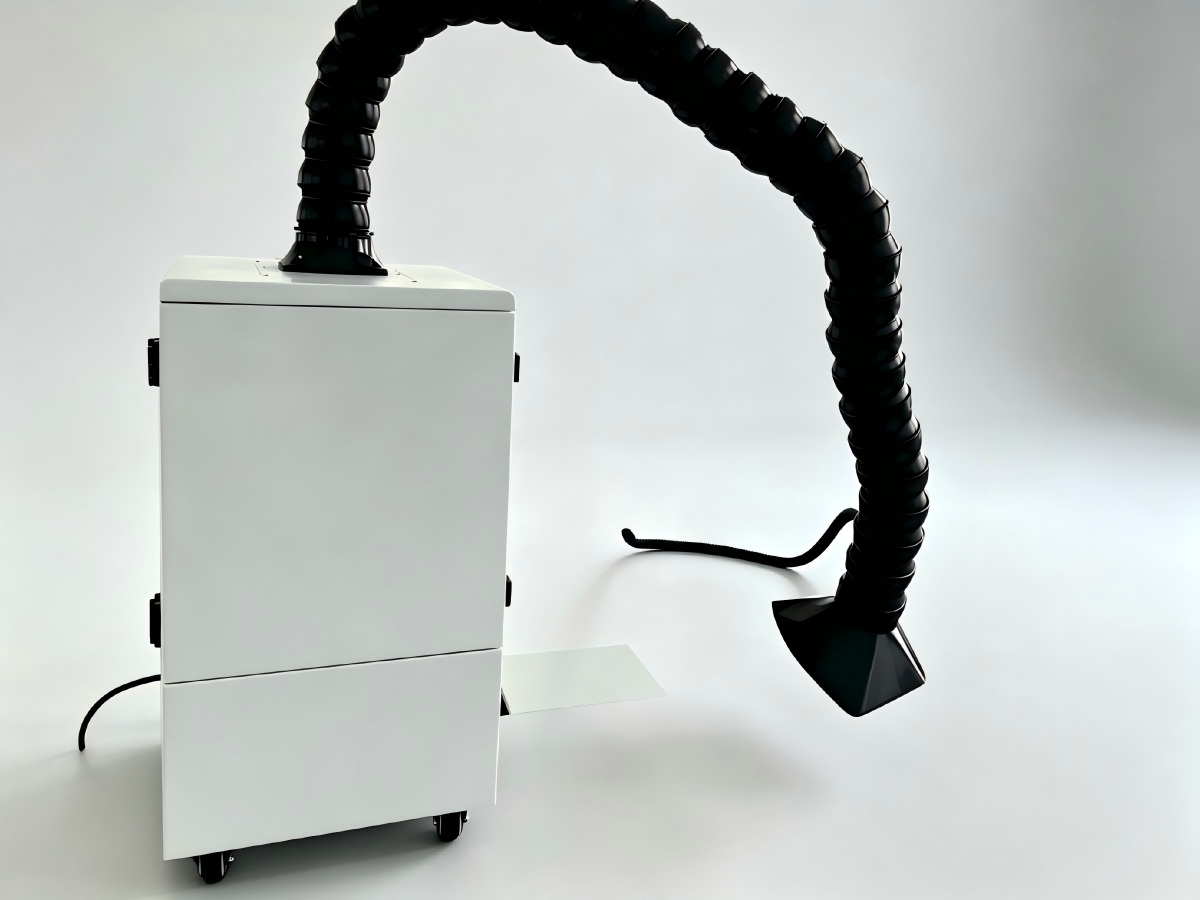
Optional smoke purifier
Cutting stainless or brass indoors every day? Adding this helps reduce cutting smoke and keeps the work area more comfortable.
Technical Specifications
Final configuration is confirmed with you based on your material, thickness and production needs.
| Machine type | Fully enclosed fiber laser cutting machine |
| Working area | 600 × 600 mm |
| Laser power | 1500W / 2000W / 3000W optional |
| Safety protection | Fully enclosed protective cover (CE-compliant) |
| Cutting head | BM110 |
| Control system | Raytools XC3000 |
| Motion system | High-precision linear guide system |
| Positioning accuracy | ±0.03 mm |
| Repeat positioning accuracy | ±0.02 mm |
| Supported files | DXF / AI / PLT |
| Cooling system | Industrial water chiller |
| Assist gas | Nitrogen / oxygen / compressed air |
| Supported materials | Stainless steel, carbon steel, brass, aluminum, copper |
| Power supply | 220V / 380V, confirmed before production |
| Precious metal cutting | Gold / silver — sample test recommended |
| Optional accessory | Industrial smoke purifier |
Cutting thickness depends on laser power, material grade, assist gas and edge quality requirement. A sample test is recommended before final confirmation.
Still weighing 1500W, 2000W or 3000W? Send your material, thickness and drawing, and we'll test cut it and recommend the setup. Send on WhatsApp →
Send a Drawing, Get a Test Cut
The surest way to know this machine fits your part is to see it cut. Here's how that works — and what to send.
How it works
Send your drawing
Material, thickness, part size and a DXF or AI file. We check the design suits laser cutting first.
We test cut it
Your design, on the real machine.
You get video + photos
See the cut, the edge and the holes.
We match the power
1500W, 2000W or 3000W, based on the result.
You get a price
EXW price, accessories, lead time and shipping.
What to send us
- Material and thickness
- Drawing (DXF, AI, PDF or photo)
- Part size and quantity
- Edge quality needed
- Delivery port or address
- Voltage (220V or 380V)
- Certification or language, if any
Quick questions before you send
Yes, one of the most common materials here. The thickness it handles depends on laser power, material grade, assist gas and the edge quality you need — tell us your specs and we'll advise.
All three can be tested. They're reflective metals, so we usually cut a sample first. If you run them often or need more cutting ability, 3000W is usually the better choice.
It handles bigger sheets and lets you batch several small parts per run. If your parts fit inside 300×300mm and you don't batch, the smaller 300×300mm model may cost less. Larger than 600×600mm? Tell us — we build bigger beds too.
Thin metal and light volume, 1500W. Steady batches, 2000W. Thicker or reflective metal, 3000W. Full breakdown in the power guide above.
DXF, AI and PLT for cutting. PDF or a photo works for a quick check.
No — standard CNC-style control, and we set you up with a video, manual and online help.
See it cut your part first.
Send a drawing — we'll check the design, cut it, and send the result back before you decide anything.
WhatsApp / WeChat: +86 138 5410 5019 · sales@sismarlaser.com