
Glass Laser Drilling Machine
Drill clean holes in glass panels — no contact, less chipping, lower cost.
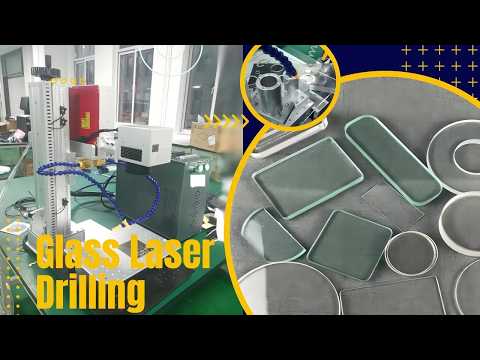
A 200W fiber-laser drilling machine built for kitchen, bathroom, and appliance glass panels — it puts holes through 3–6mm glass without a drill bit, so you get fewer cracked panels and less rework.
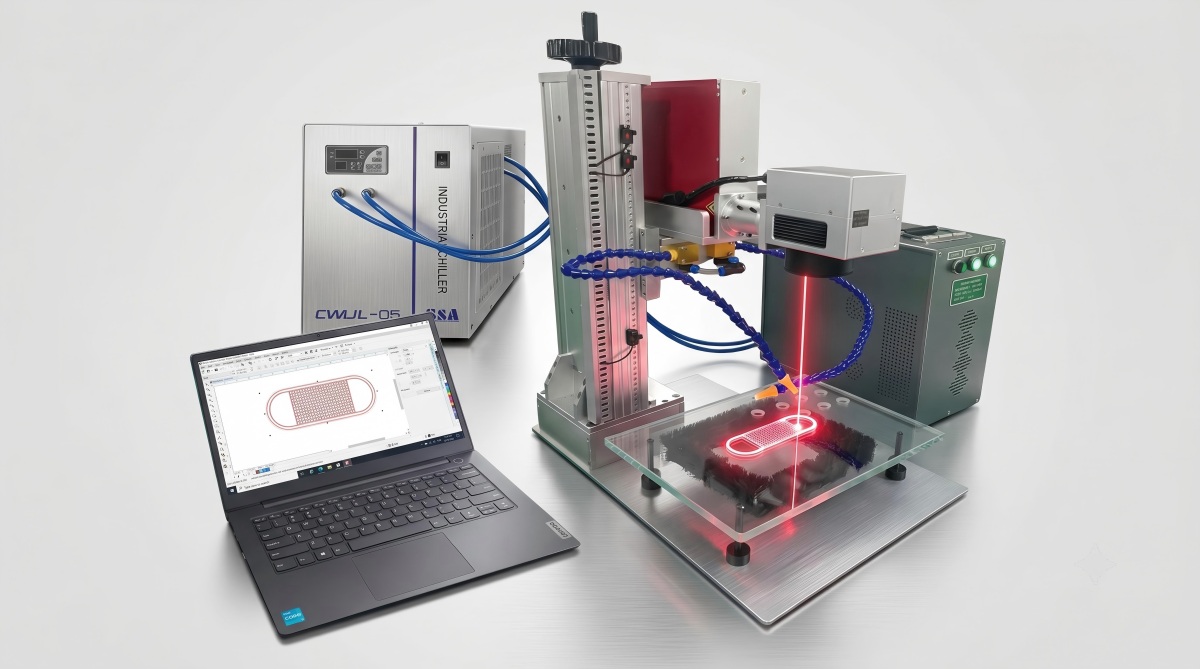
A closer look at the glass drilling machine
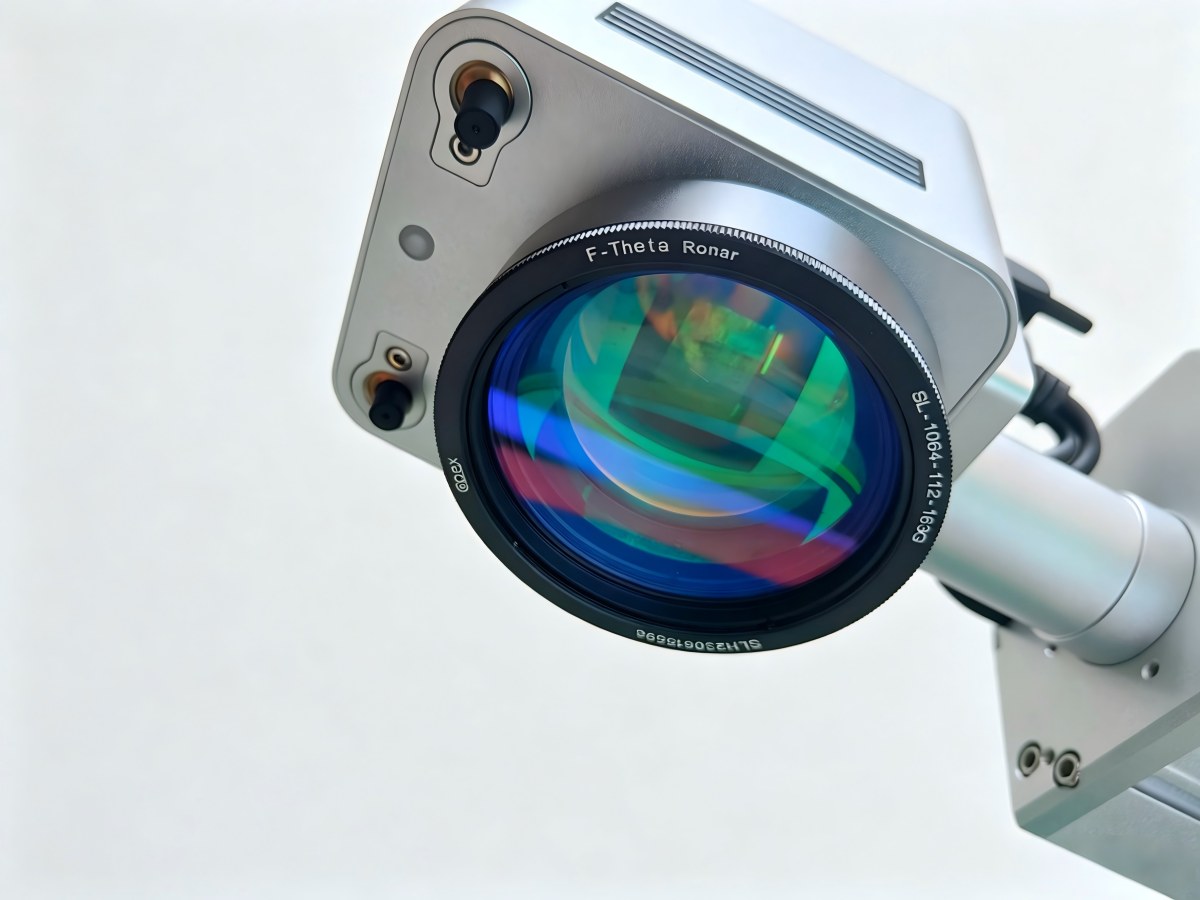
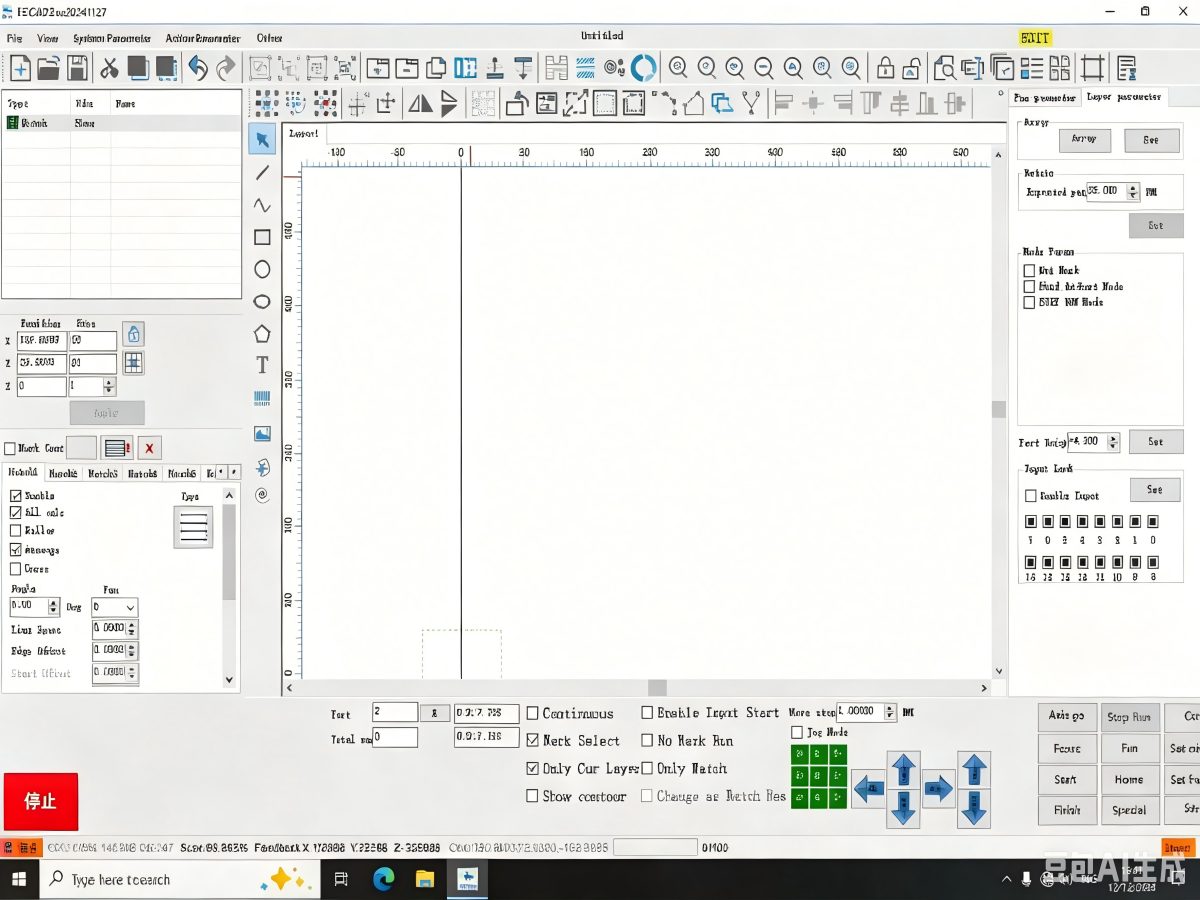
A 200W fiber laser, a high-spec scan head, and programming software — the parts that matter when you drill panels all day.
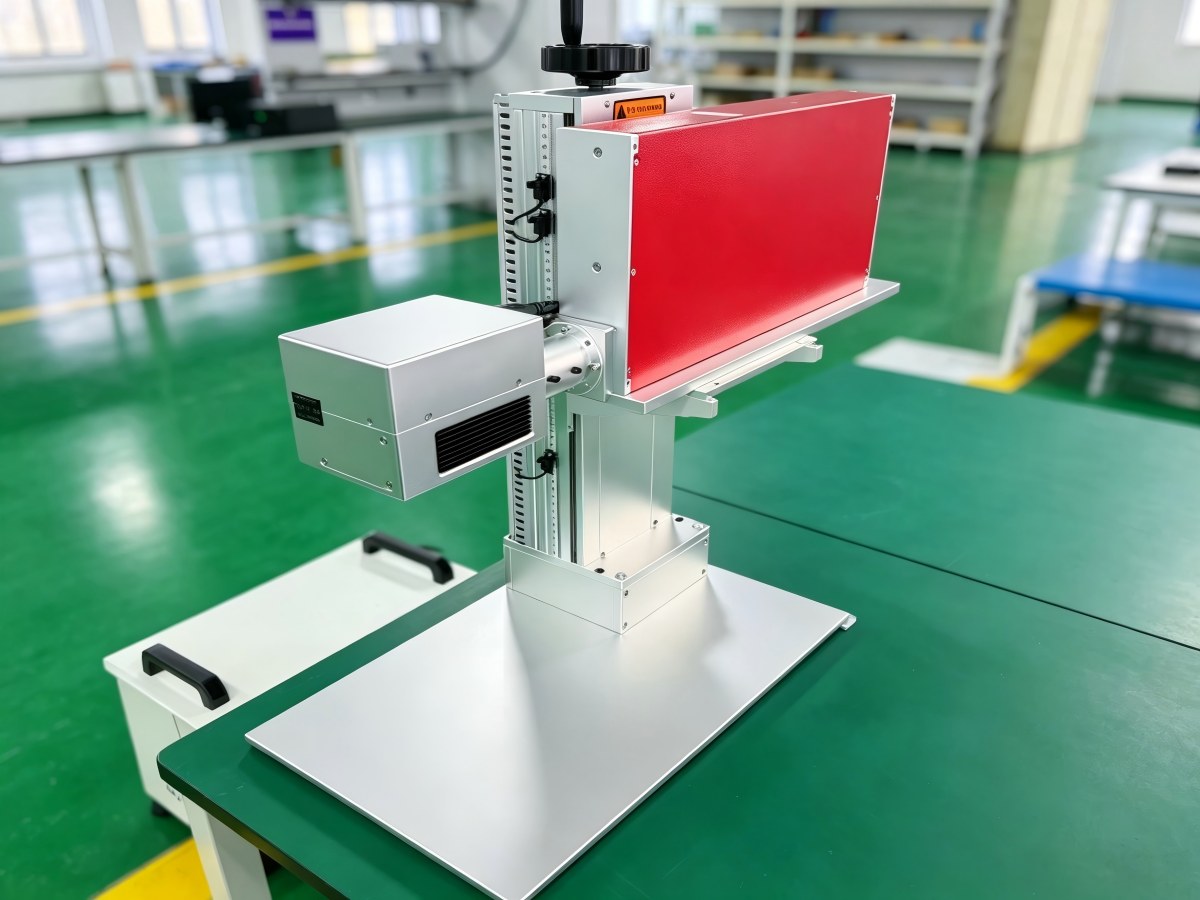


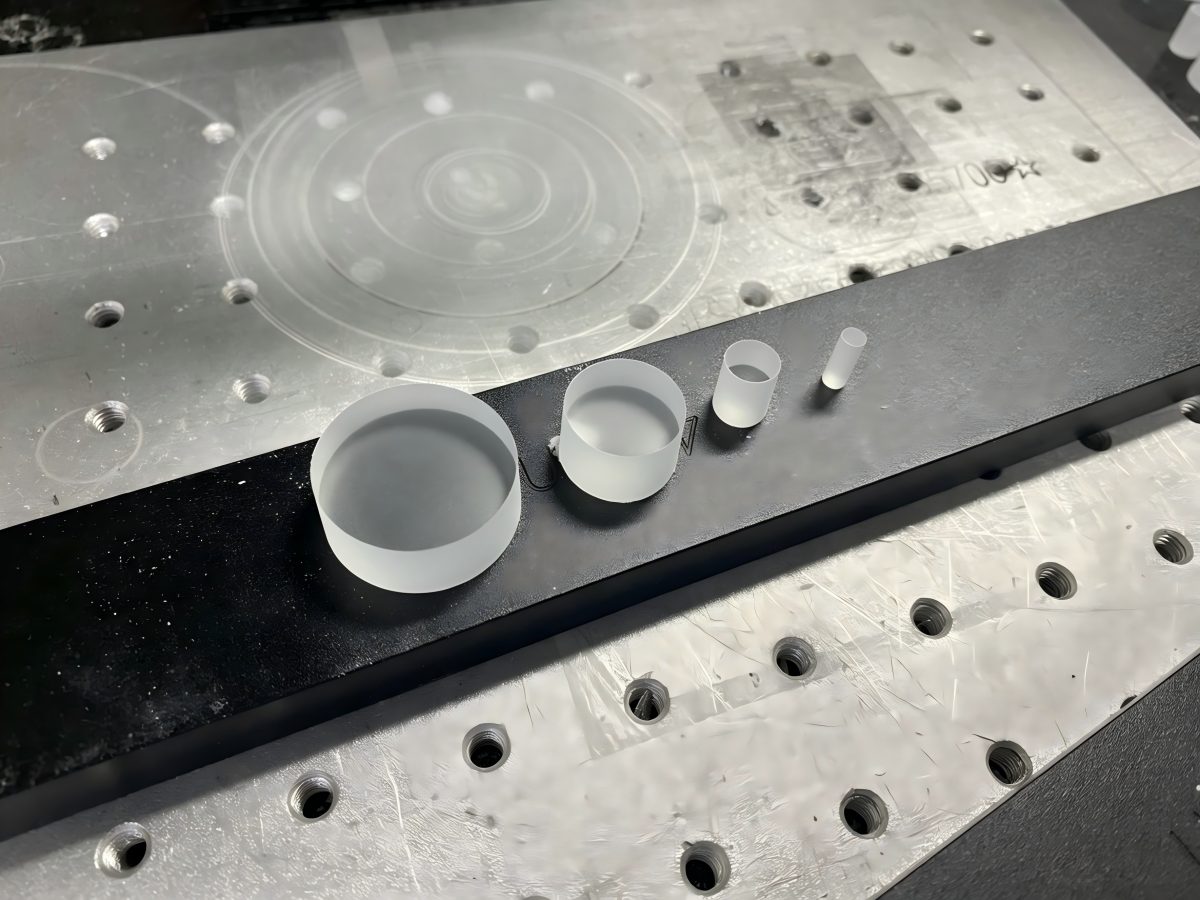
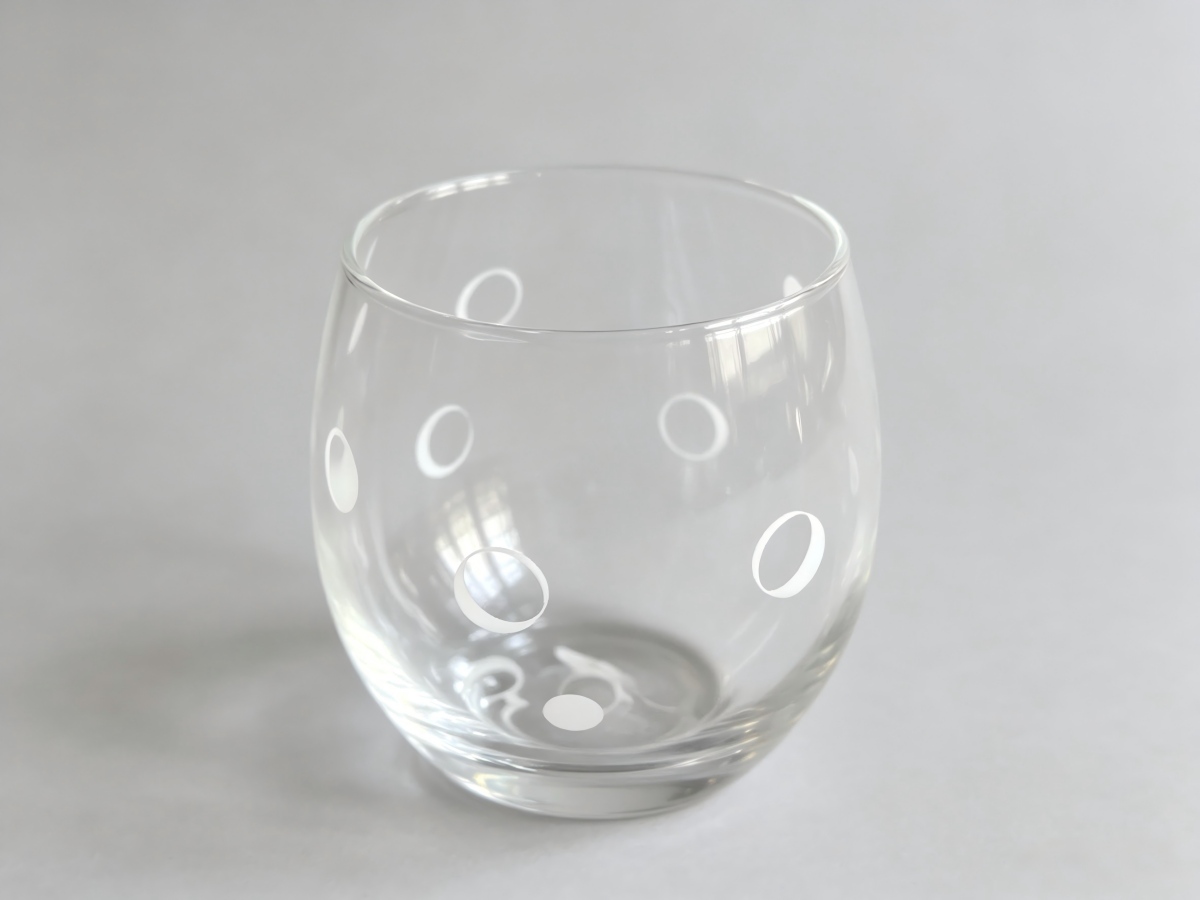
Holes in glass panels, batch after batch
Mounting and fixing holes in kitchen, bathroom, appliance, and smart-product glass — the everyday sizes (10, 20, 30, 50mm), drilled the same way on every panel.

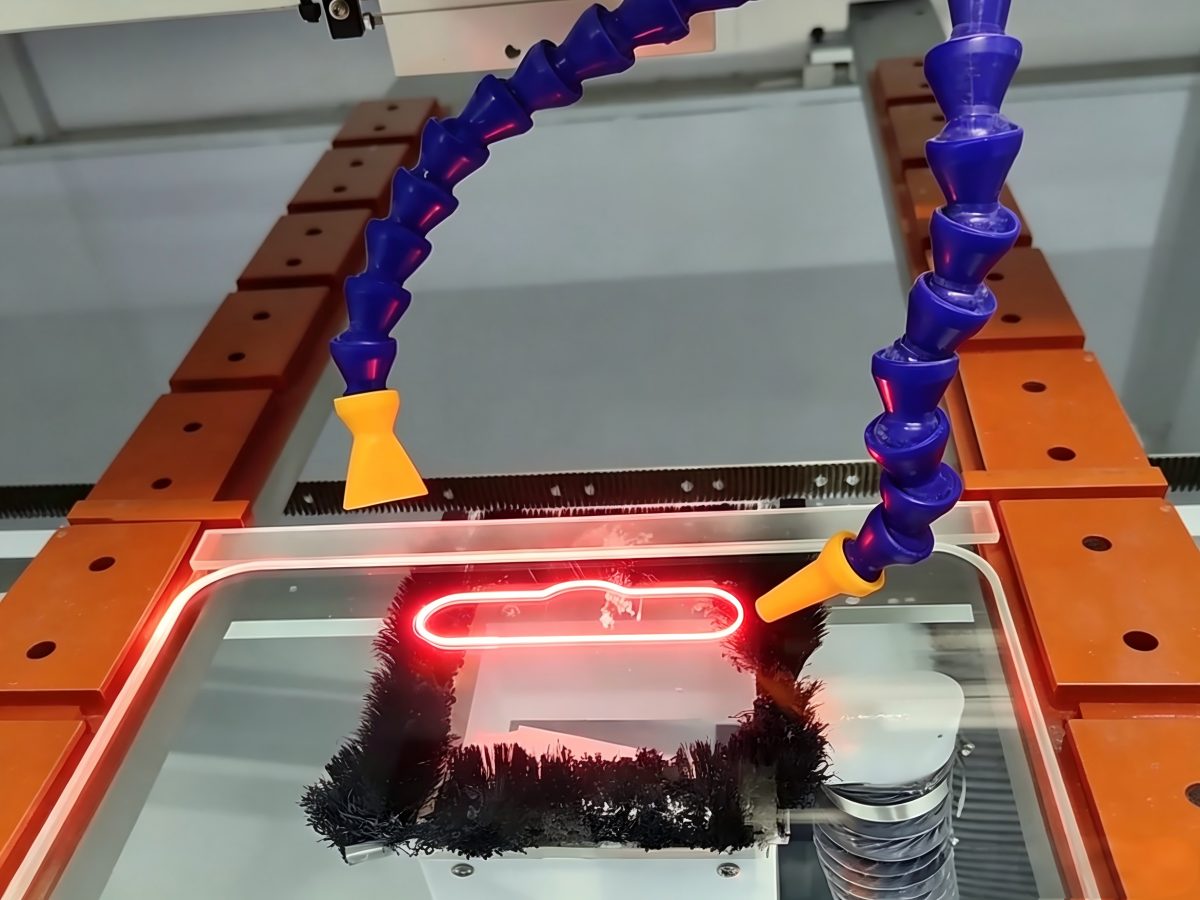
Where it fits your production
Kitchen glass panels
Holes in cooktop, hood, and kitchen-unit glass, ready for the hardware to drop in.
Bathroom glass panels
Fixing holes in bathroom and vanity glass panels for mounting and fittings.
Appliance glass
Holes in glass parts for home appliances, drilled to the same layout down the line.
Smart-product glass
Holes for sensors and fittings in glass parts for smart products.
Why you crack fewer panels
A drill bit cracks panels, and every cracked panel is scrap you paid for. The laser never touches the glass — no bit pressing down, so you lose far fewer of them.
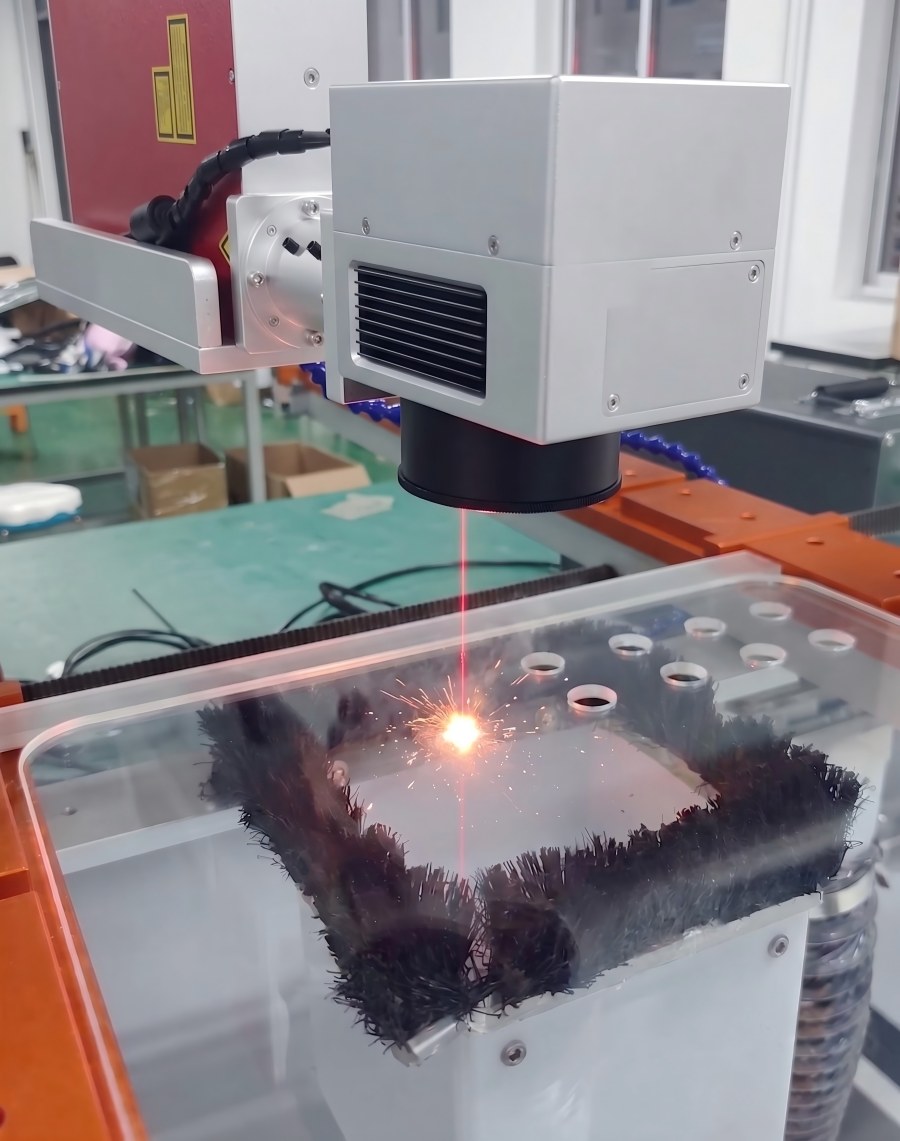
No drill bit on the glass
A 200W fiber laser opens each hole with a focused beam. Nothing touches the panel, so there's no bit pressing down to crack or chip the glass.
- Fewer cracked panels. No mechanical force means fewer panels lost to cracks and chips — less scrap on every batch.
- No bits to swap. There's no drill bit to dull or replace, so you're not buying and changing tooling all the time.
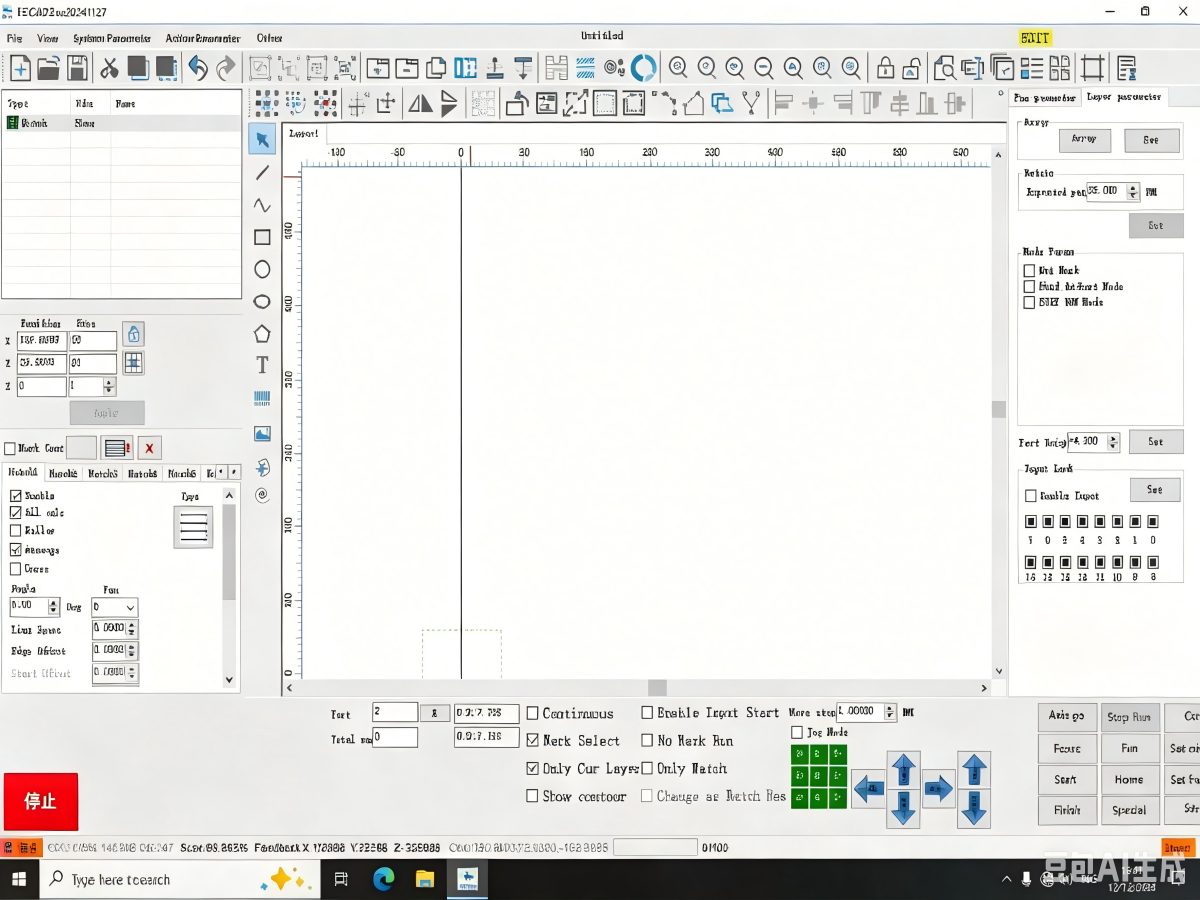
Set the holes once, run the batch
Lay out your hole positions and sizes in the software, and the machine drills them the same way on every panel that follows.
- Made for panel runs. Program a panel layout once and repeat it across the whole batch.
- Common hole sizes. 10, 20, 30, and 50mm holes are the everyday sizes — anything under 80mm is set in software.
Why panel shops pick this over a drill or a cutter
How laser drilling compares to a mechanical bit — and where this drilling machine sits next to a full glass cutting machine.
Beyond the cracked panels, a drill bit costs you in ways that add up — tooling, speed, and the rework after. Here's how the laser compares.
| Laser drilling | Mechanical / diamond-bit drilling | |
|---|---|---|
| Scrap rate | Fewer cracked panels | More breakage, especially thin glass |
| Tooling cost | No bits to buy or replace | Bits wear out and need replacing |
| Speed | Holes in seconds, no coolant | Slower, needs coolant |
| Changeover | Hole sizes set in software | One bit per hole size, swap to change |
| Batch work | Same layout on every panel | Manual, varies by operator |
| Rework | Cleaner edges, less grinding | Rough edges, more grinding after |
This is a drilling machine, not a full glass cutting machine. If holes are your main job, here's why that's the smarter buy.
| This drilling machine | Dedicated glass cutting machine | |
|---|---|---|
| Built for | Drilling holes in panels | Cutting complex shapes & contours |
| Best fit | Kitchen, bath & appliance panels | High-precision cut parts |
| Shapes | Holes + simple shapes | Complex shapes & fine detail |
| Price | Lower — easier to justify | Higher capital cost |
| Payback | Fast for panel volume work | Slower if you only drill holes |
What stands behind it
What makes it a panel machine
It's built to drill holes, not cut complex shapes — which is why it costs less than a glass cutting machine.
Tuned for 3–6mm panels, so it drills at a working pace instead of crawling through thick glass.
The scan head and F-theta lens keep every hole the same, from the center to the corners of the sheet.
Warranty & trade terms
2-year warranty
A 2-year standard warranty covering the laser source, motion system, and controller — with ongoing technical support after that.
Flexible trade terms
EXW, FOB, or CIF — choose the shipping arrangement that works best for your import process.
Technical specifications
| Laser type | Fiber laser |
| Laser power | 200W |
| Applicable materials | Ultra-clear glass, tinted (green) glass, borosilicate glass |
| Glass thickness | 3–6mm 3–5mm typical |
| Core function | Drilling holes in glass panels |
| Common hole sizes | 10mm, 20mm, 30mm, 50mm |
| Max hole diameter | Within 80mm ≤50mm recommended |
| Max hole depth | 1mm – 12mm |
| Drilling speed | Up to 4000mm/min |
| Beam quality | <1.5 M² |
| Laser frequency | 10–100kHz |
| Repeatability accuracy | ±0.01mm |
| Cooling system | Water cooling |
| Control system | Professional automation & programming software |
| Applications | Kitchen panels, bathroom panels, appliance & smart-product glass |
Common questions about glass panel drilling
The questions buyers ask most before they order. If yours isn't here, just send it over.
Will it crack or chip the panel?
What glass and thickness does it handle?
What hole sizes can it drill?
Can it cut shapes, not just holes?
How is it different from a glass cutting machine?
Is it good for high-volume panel production?
What happens after you order
A machine like this runs for years, so the support behind it matters as much as the machine. Here's how we back it up — and how to get an offer for your setup.
Worldwide shipping
Crated for safe export and shipped EXW, FOB, or CIF — typically dispatched in 25–30 days.
Remote install support
Video-guided setup and operator training. Response within 24 hours.
Spare parts in stock
Laser source and optics kept in stock, shipped within 48 hours of request.
OEM / ODM private label
Custom branding and private-label production for distributors.
Ready to drill panels with less breakage?
Tell us your glass type, thickness, and hole sizes — we'll confirm the fit and send you an offer.