3D Relief Fiber Laser Marking Machine for Metal
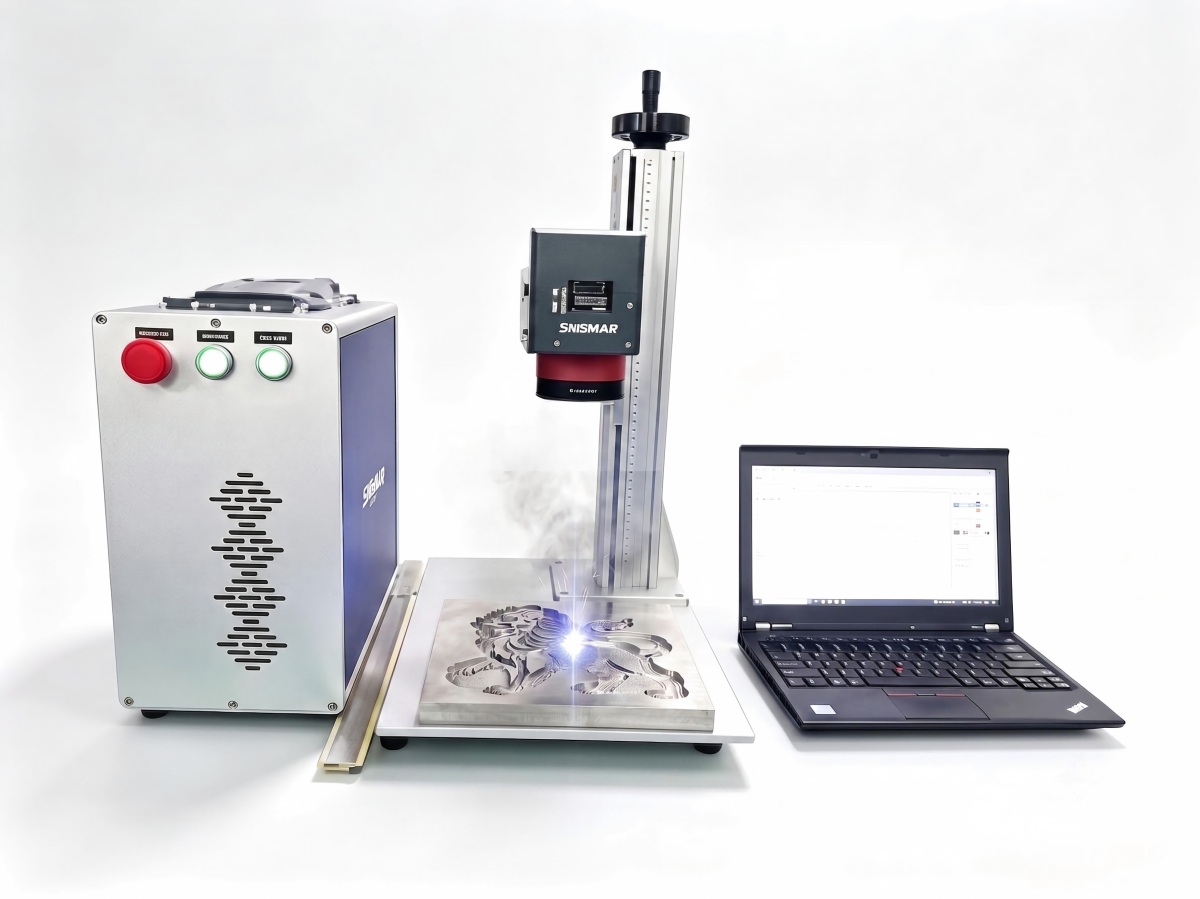
If you only need flat logos, text and serial numbers, a standard fiber laser is enough — no reason to pay for this one. Where the SL-3D Series earns its place is the work a flat marker turns away: a coin face with depth you can feel, a ring that curves away from the beam, a mold cavity that steps down. Its XYZ dynamic focus follows the surface up and down as it engraves, so you're not stopping to reposition the part every time the height changes.
 Watch it engrave
What Can You Make with a 3D Fiber Laser?
Mainly metal relief, plus parts with curved, sloped or uneven surfaces. If your part isn't here, send it over — we'll tell you straight whether it suits.
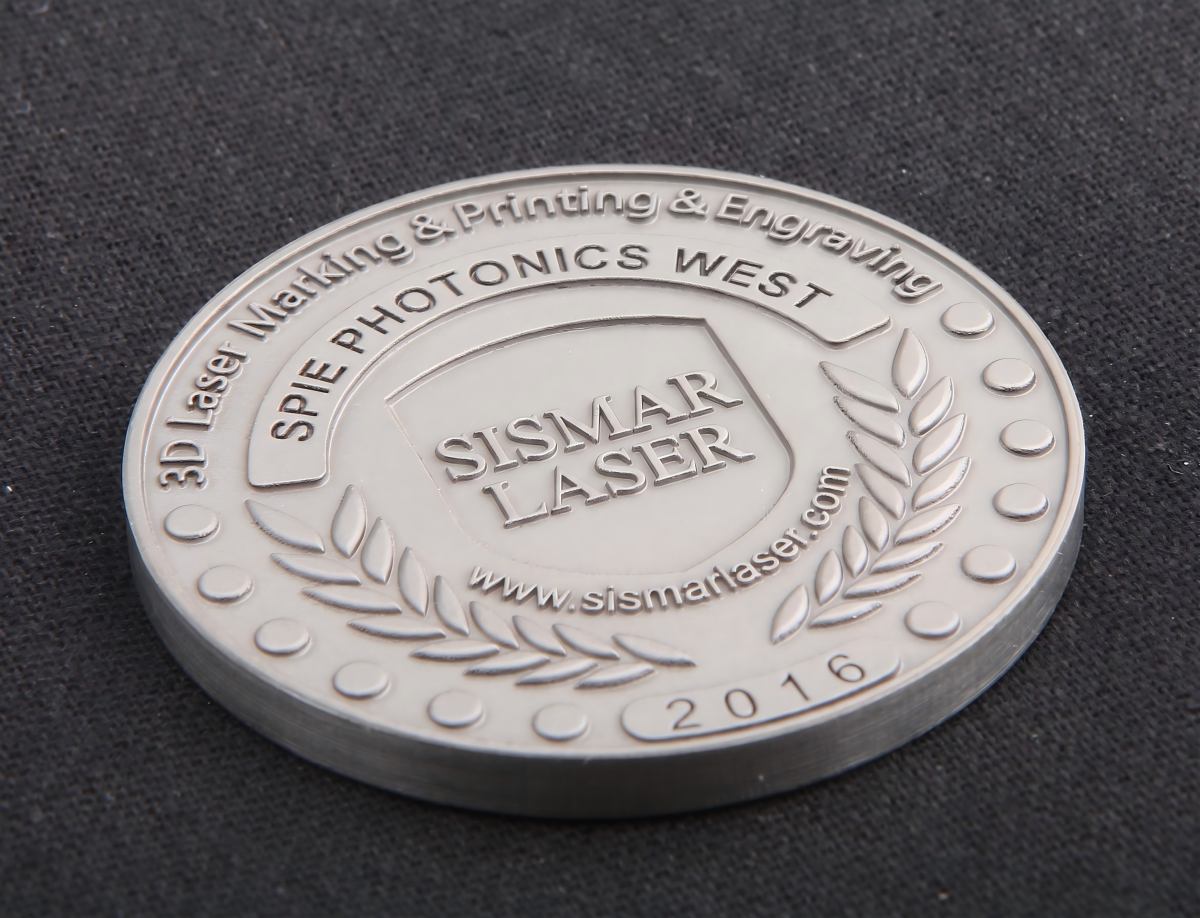
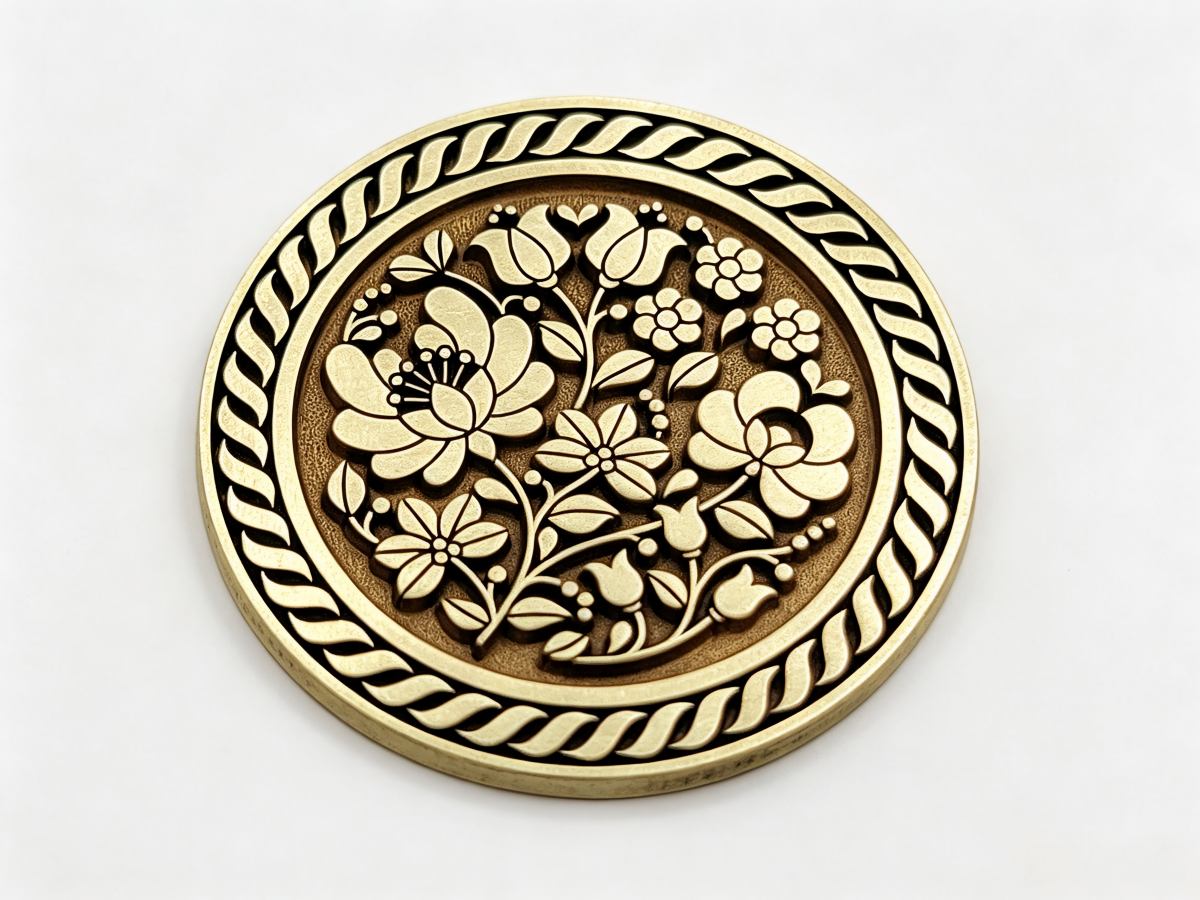
Coins & Medals
Portraits and lettering with real graduated depth. Where most relief buyers start.
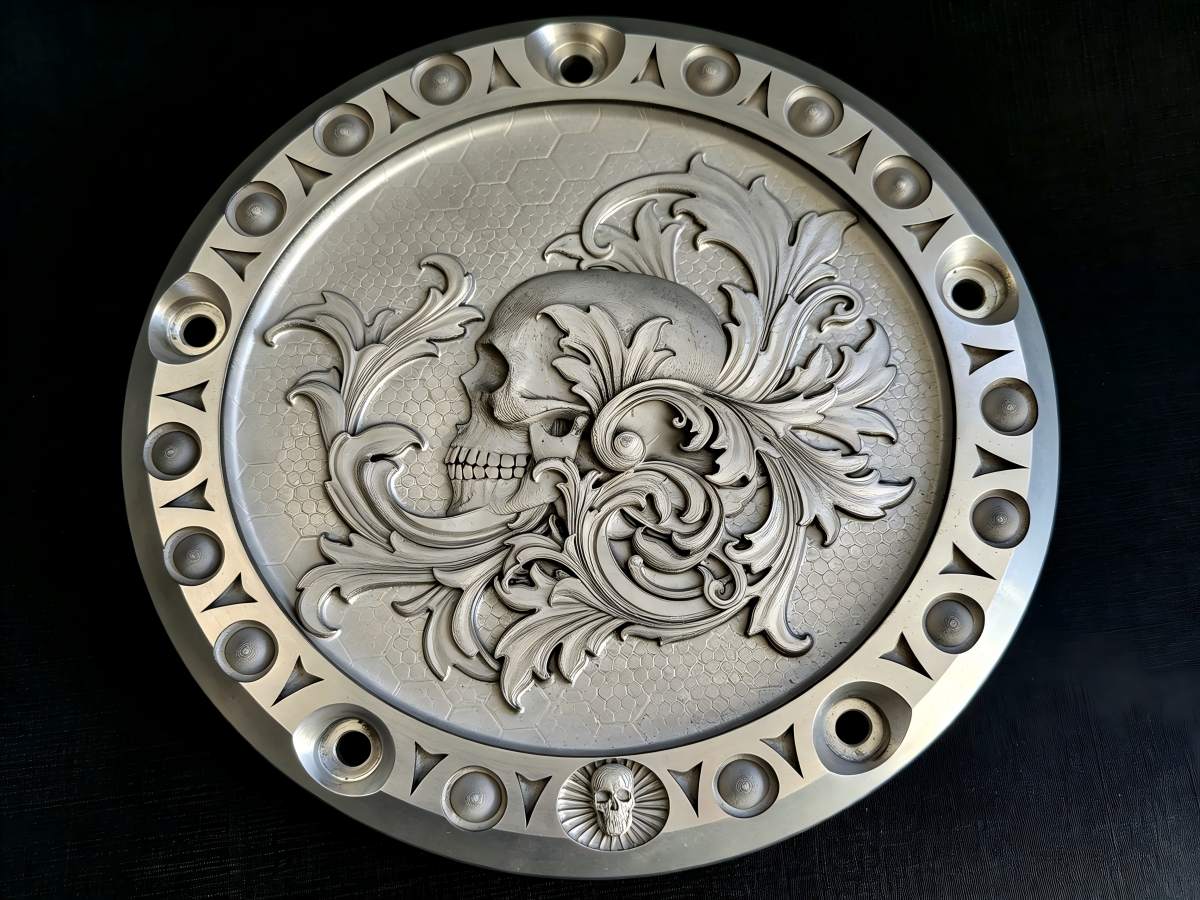
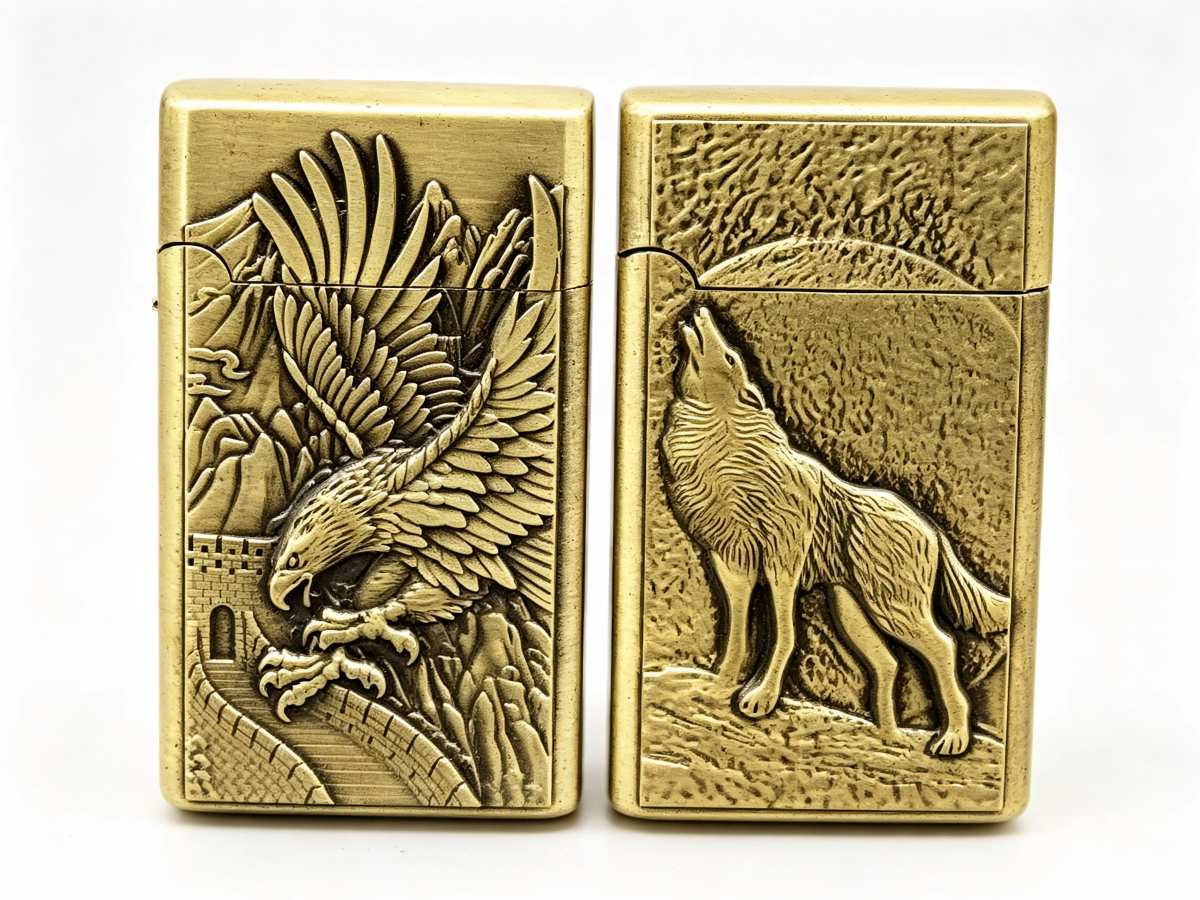
Metal Relief
Raised logos and patterns on brass, copper and stainless.
Molds & Tooling
Texture and cavity detail cut straight into tooling steel.
Jewelry
Rings and pendants — the faces curve away from the beam.
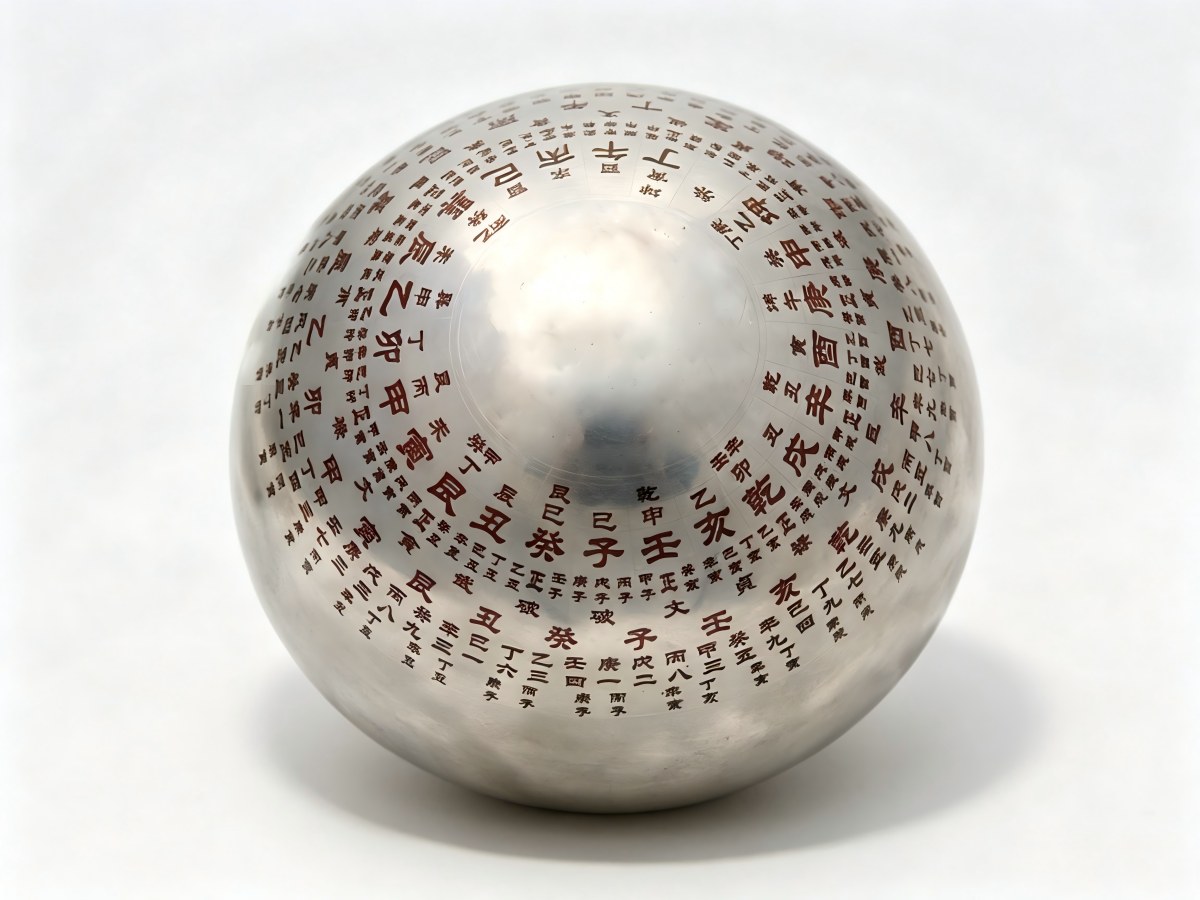
Curved & Stepped Parts
Rounded, sloped, or sitting at two different heights.
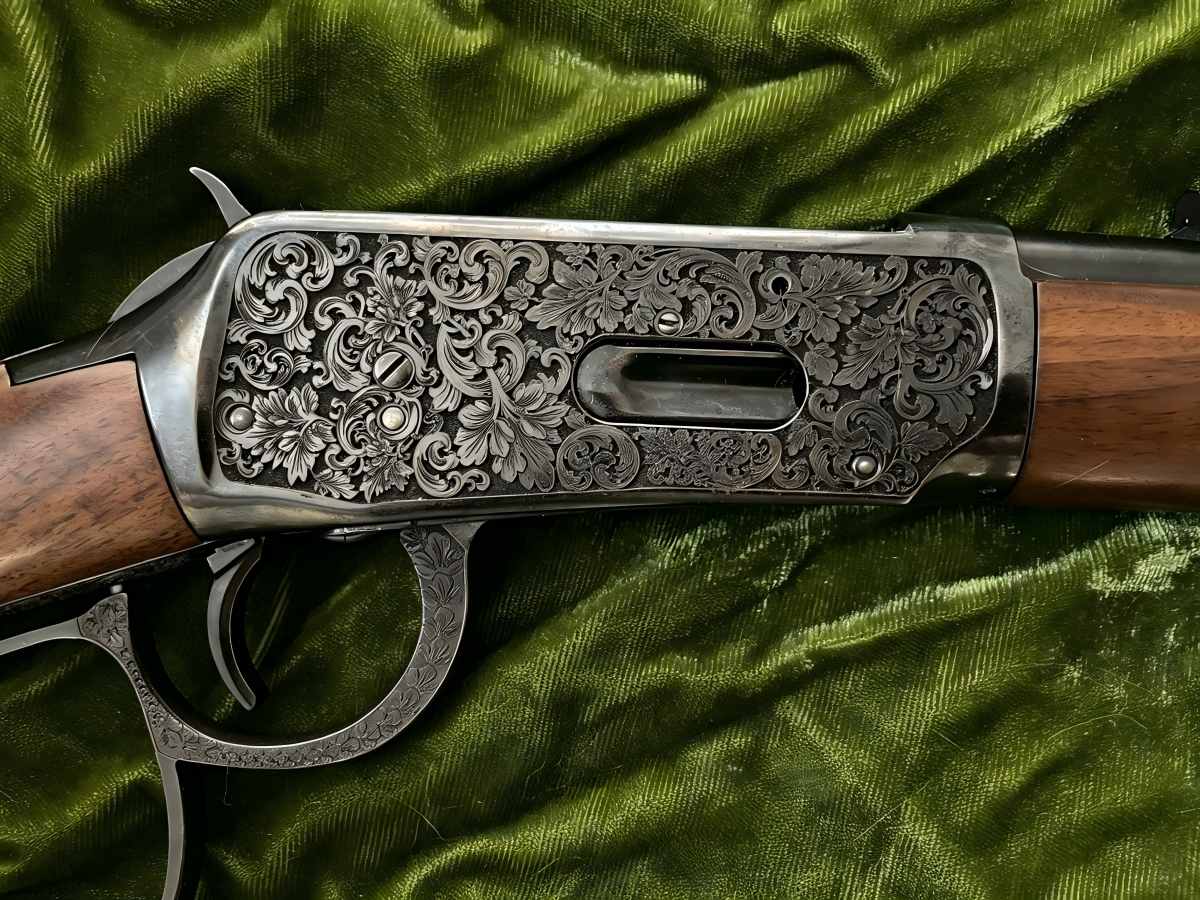
Firearm Engraving
Scrollwork and serial marks on receivers, deep enough to survive finishing.
2D, 2.5D or 3D?
Choose the machine based on the shape of your workpiece, not only the design you want to engrave.
2D
Flat markingOne fixed focus height. Fine for logos, text and serial numbers — it just can't build depth.
- Logos & text
- QR codes & serial numbers
- Normal flat engraving
2.5D
Relief on flat partsAdds a moving Z axis, so it builds real relief as long as the workpiece lies flat. Costs noticeably less than 3D.
- Flat coins
- Medals
- Flat portraits & raised logos
3D
Relief on shaped partsEverything 2.5D does, plus parts that curve, slope or sit at different heights.
- Curved parts
- Inclined surfaces
- Stepped or uneven parts
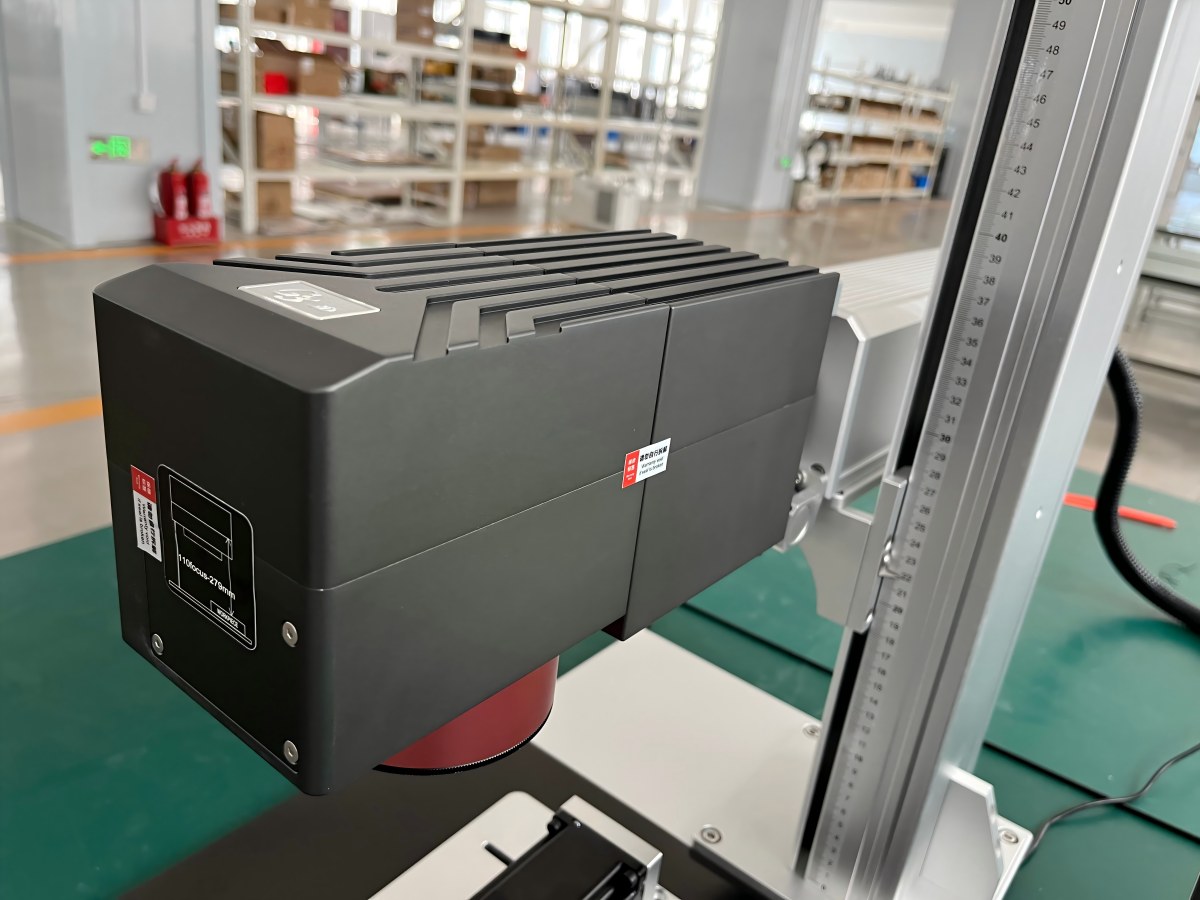
How the 3D System Works
A standard fiber laser works at one fixed focus height. The 3D scanning head moves the focal point up and down during engraving, following the programmed shape of the surface.
For relief, the design is processed layer by layer. Each pass removes a small amount of metal while the focus adjusts as the engraving gets deeper, so the depth builds up gradually.
Standard Fiber Laser
Fixed focus for flat parts.
3D Dynamic Focus
Adjustable focus for changing surface heights.
30W, 50W or 100W — Which One Fits Your Work?
Before recommending a power, we normally check the metal, your target depth and how many pieces you run a day.
30W
- Normal marking
- Fine shallow engraving
- Occasional relief
50W
- Coins and medals
- Brass and steel relief
- Medium-depth engraving
100W
- Deep relief in fewer passes
- Larger relief designs
- Steady daily production
Power Is Only Part of the Result
The machine is one variable out of five. Get the other four wrong and no amount of laser power will rescue the job — which is why we'd rather run your actual file than quote from a spec sheet.
A weak STL or grayscale file caps the detail before the laser starts. Most disappointing reliefs trace back here.
Brass cuts clean. Stainless is slower. Copper and aluminum behave differently again.
Every extra tenth of a millimetre is another set of passes.
Watts set removal speed; hatch, frequency and layer settings decide how the surface reads.
Polishing, oxidising or plating can change the piece completely.
Works well on:
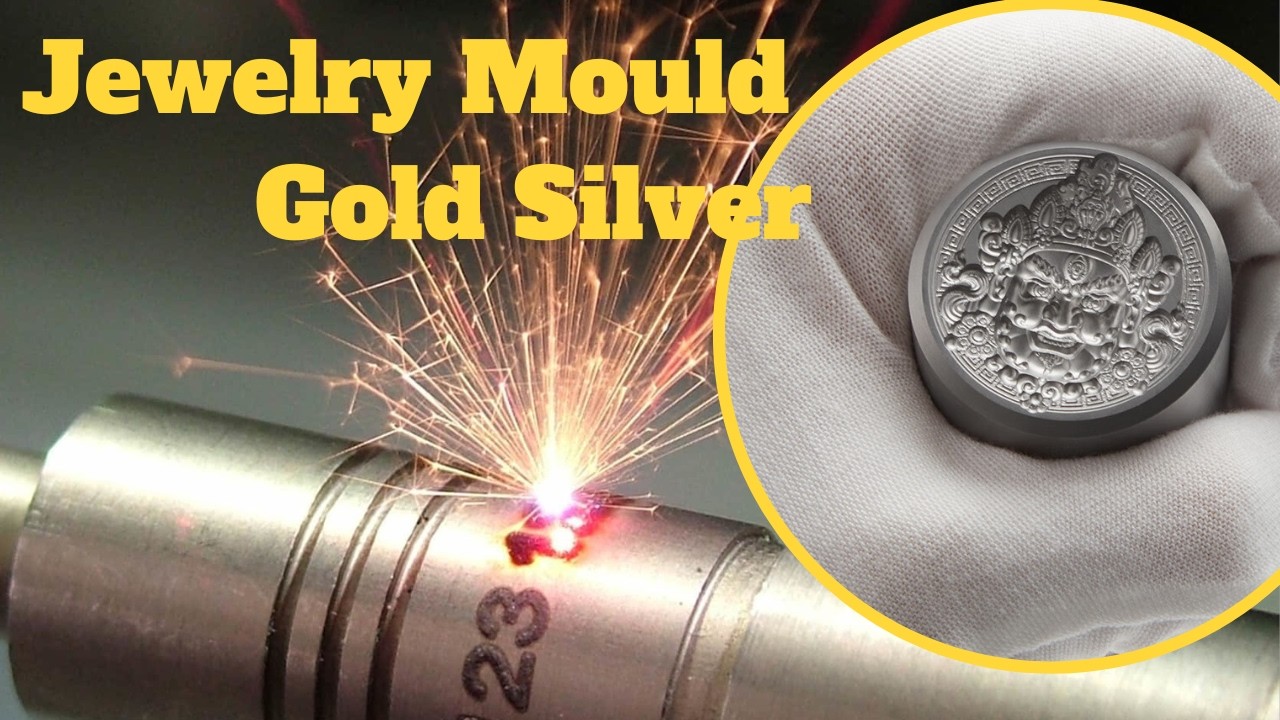
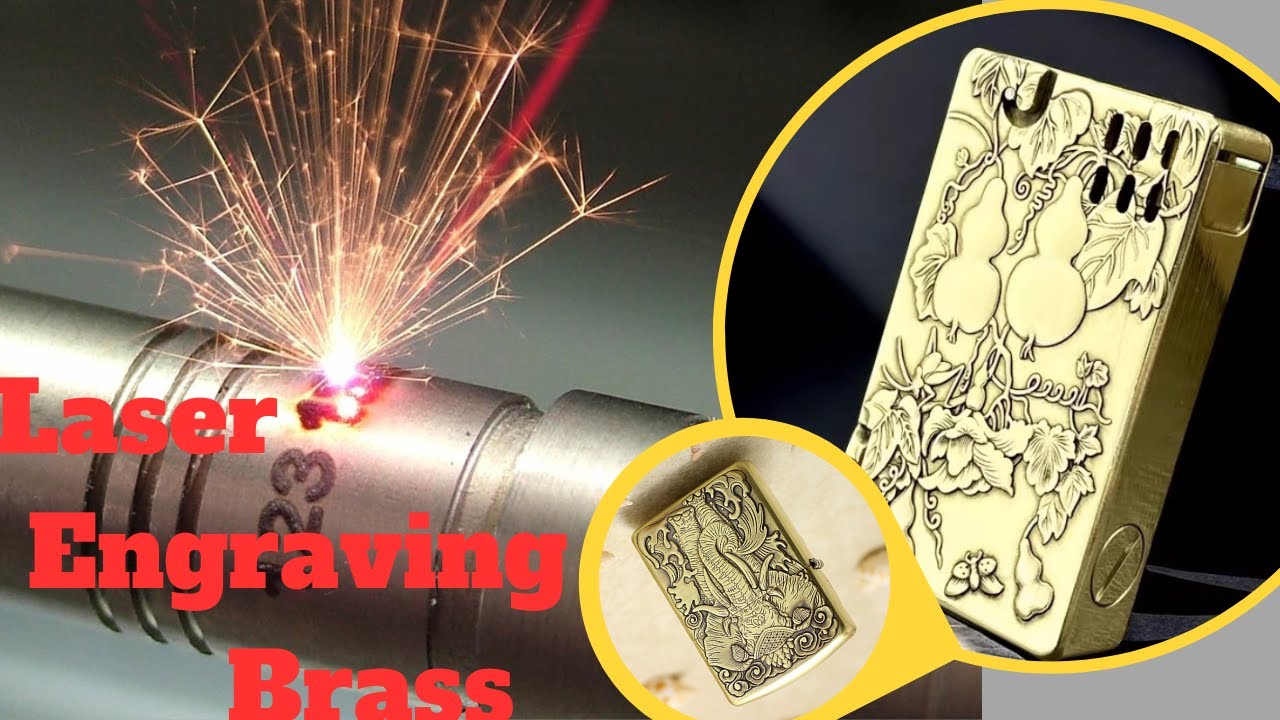
Watch the Machine Work
For relief, the finished piece and the cycle time tell you more than a speed number on a spec sheet.

SL-3D Series — 30W / 50W / 100W
Air-cooled — no separate chiller to find room for.
| Model | SL-3D30W / SL-3D50W / SL-3D100W |
| Laser power | 30W / 50W / 100W |
| Wavelength | 1064 nm |
| Focus system | XYZ dynamic-focus scanning system |
| Standard working area | 100 × 100 mm |
| Optional working areas | 70×70 / 140×140 / 170×170 / 200×200 mm and larger options |
| Scanning speed | Up to 10,000 mm/s for normal marking; relief speed depends on the material, depth and number of layers |
| Cooling | Air-cooled |
| Power supply | AC 110V or 220V, 50/60Hz |
| Supported files | Vector: PLT, DXF, DWG, SVG · 3D: STL · Image: BMP, JPG, PNG, TIF |
| Optional accessories | Rotary fixture, fume extractor, enclosure and custom fixtures |
Let Us Check Your Part First
Two machines with the same spec sheet can come out different on your metal. A test settles it.
Send us the job, not just the machine model.
Before we suggest 50W or 100W, we normally ask to see the product and the engraving file first. Different metals, sizes and relief depths give very different processing times.
Send Us
- Material
- Product size
- Photo or drawing of the part
- STL / grayscale file
- Required relief depth
- Quantity you plan to make
We Will Check
- Whether 2.5D or 3D suits it
- Whether you need 30W, 50W or 100W
- The right working area
- The engraving result to expect
- Approximate processing time
Does it make real metal relief?
Yes — the metal comes off layer by layer, so the finished piece has depth you can feel, not a flat image that just looks 3D.
Do I need 2.5D or 3D?
Flat products only: 2.5D, and save the money. Curved, angled or uneven parts: 3D.
Can it engrave curved parts?
Usually, but the size and height difference decide it. Send a photo or drawing of the part and we'll confirm it with our engineer before you commit.
How long does one relief take?
No fixed answer — depth, metal and power all move it. Testing your own file is the only way to get a real number.
Should I choose 50W or 100W?
50W suits custom and small-workshop work. Go 100W for deeper relief or regular production, where the time saved adds up.
Can I test my own sample first?
Yes, free of charge. We run it, film it, and send you the piece with the real cycle time.
Not Sure Which Configuration to Buy?
One message and we'll work it out with you.